
Lucknow

No results found for your search.
Lucknow
Select Country
Ecommerce Digital Marketing Strategy in 2023
Before COVID-19, ecommerce enterprises were already seeing rapid development. However, the epidemic has hastened consumer acceptance of online shopping, propelling it to levels not predicted for another few years. People who had previously been sceptical about ecommerce suddenly began to buy in droves. And it's believed that many, if not all, of these people will continue to shop online long after the pandemic is over.
These customers, on the other hand, aren't going to fall into your lap. Prospects will go to someone else if you do not get your brand in front of them. Multiple competitors have sprung up to take advantage of this fantastic opportunity. And you need to get ahead of the ecommerce digital marketing strategy if you want to stand out from the pack and genuinely maximize your growth. You don't simply need a "pretty good" ecommerce marketing strategy; you need the best one you can find.
That's where my blog post comes in handy. That's why we're here to assist you.
In this blog post, we'll look at ten of the most effective Digital Marketing Strategy for ecommerce websites that we've seen work wonders and propel businesses forward. The following are some ecommerce marketing strategies:
- Proven. This isn't a hypothetical situation.
- Actionable. These are made to function for your company with little to no setup. Some involve more forethought than others, but you could put most of them into action right now if you really wanted to.
- Flexible. Given the variety of ecommerce marketing platforms available, no two firms are the same or have the same requirements. Almost majority of the solutions presented here are platform agnostic: You'll be able to use these whether you're utilizing Google AdWords, Facebook marketing, SEO and content marketing, or something else else.
- Complementary. When you have two or three excellent ecommerce marketing strategies to choose from, why use just one? You can employ as many of these effective ecommerce marketing methods as your organization requires.
Don't you think that's enough of an introduction? You've come to learn about your future ecommerce marketing strategy, not to learn about the introduction. So let's get started.
Ecommerce Marketing Strategy 1: Elevate Your Ecommerce SEO
How do you locate new goods to buy when you're shopping online? If you're like most people, you'll start by typing your question into your preferred search engine (Google, Bing, etc.) and seeing what comes up. This is how consumers shop online these days, which is why efficient search engine optimization, or SEO, is so important.
To put it bluntly, the goal of ecommerce SEO is for search engines like Google to show your products before they show your competitors'. How frequently do you scroll down the search results page all the way to the bottom? Or do you want to move to the second or third page? Isn't it true that you don't see them very often? Being on the first page, as well as your rank on that first page, can significantly increase your traffic.
There are numerous ways to improve SEO for an ecommerce website. You can do things like making sure photos have suitable alt-text or include frequent search terms in your page names. It's not easy to have the finest ecommerce SEO, though. Everyone would do it if it was. True ecommerce SEO necessitates going over your site with a fine-toothed, SEO-enabled comb from top to bottom.
Step 1: Ecommerce SEO Audit
The most effective ecommerce SEO plan begins with an honest assessment of your present position in the search results. You need to know where you are now in order to select where you want to go, much like stepping on the scale before starting a diet.
An ecommerce SEO audit looks at how your site ranks for the most important search terms for your business. It determines your "domain authority," which is used by sites like Google to determine your credibility and competence. It evaluates your site architecture to see if it's clumsy or difficult to navigate for search engines.
To best prepare your firm for success, the top audits will also include a competitor study and assessment of where they rank for these same keywords.
Moz and SEMRush Site Assessment are two excellent tools for completing an ecommerce SEO audit.
Step 2: Overhaul Technical SEO
It's one thing to make sure that product pages use the right terms, but technical SEO for ecommerce sites is far less well-understood. The following are some of the most common technical SEO issues:
- Slow load times. Is your website underperforming, causing some visitors to abandon it before it has fully loaded?
- Broken links. When you renamed prior URLs, did you forget to alter existing links? If search engines are constantly hitting dead ends, your search rating will suffer.
- Duplicate content. Duplicated tags, meta descriptions, and on-page content are all things that search engines dislike.
- Security issues. Do you have HTTPS pages that link to HTTP sites on your site? That is not acceptable.
Fixing technical issues like these (and a slew of others) will dramatically improve your site's SEO health. Ecommerce technical SEO is often underestimated, yet it is just as important as any other.
Step 3: Ecommerce Keyword Research
Your ecommerce SEO audit evaluated your performance for all of the keywords you're currently targeting... but what about the ones you're not? Using fresh keywords and search terms to expand your audience without spending any money on ads is a terrific approach to do it. You'll need to conduct extensive ecommerce keyword research to figure out what new terms you should target.
Fortunately, there are websites like SEMrush and AHREFs that make this process quite simple. Try to imagine yourself in the shoes of a customer: how would someone looking for your products on Google or Bing begin their search? What kinds of inquiries do you think they'd ask? Think like a customer to improve the efficiency of your ecommerce keyword research.
Step 4: Streamline On-Page SEO
We mean exactly what it says on the tin when we say "on-page SEO for ecommerce." How does a search engine evaluate each page on your website? Is the product easy to understand? Is it clear to the algorithms what it's about so they can send it to your intended audience?
The ideal on-page SEO for ecommerce includes improving the following elements:
Meta descriptions. Your meta descriptions should always include major keywords (and, if possible, secondary keywords) and be roughly 150 characters long. Don't use the same description on every page.
Images. Images should never be too huge (since this slows down website load times, which hurts technical SEO); keep them at 1-2 MB. The keywords you're aiming to target should always be included in the file names and alt-text. Which do you think will be preferred by search engines: img43 070820.jpg or mothers-day-chocolate-collection2020.jpg?
Page copy. Is the content on your website unique? Is it keyword-stuffed, or does it contain all of the keywords you're seeking while remaining comprehensible and making sense? Make sure that your material is substantial; search engines penalize pages that are too brief.
For ecommerce sites, on-page SEO is vital, and this is likely where you'll spend the majority of your time and effort.
Step 5: Build Off-Page SEO
At first glance, this may appear to be illogical. How is it even possible to have off-page SEO for ecommerce? Isn't it true that you can only manage SEO on your own website?
True, but keep in mind that the World Wide Web is still just that: a web. When other websites connect to you, search engines like Google see your site as trustworthy and authoritative, and your SEO will improve.
Off-page SEO for ecommerce sites usually entails a variety of link-building techniques. You can write blog entries and hope that people find them useful (more on this later), or you can generate premium content such as ebooks, infographics, and other types of content. You can request that your distributors, suppliers, and other business partners link to you. Is one of your competitors being linked to by a blogger? Instead, why not provide a link to one of your own pages?
True, but keep in mind that the World Wide Web is still just that: a web. When other websites connect to you, search engines like Google see your site as trustworthy and authoritative, and your SEO will improve.
ALSO READ: Top Ecommerce Marketing Strategies to Skyrocket your Business Growth!
Ecommerce Marketing Strategy 2: Don’t Neglect Ecommerce Content Marketing
So you're aware of the significance of SEO. But where will you place all of the SEO-friendly text? Search engines will not rank bare-bones pages with brief product descriptions, so the answer is, of course, content.
Content-driven ecommerce is the best approach to ensure that you're ranking well in search engines and that you're getting in front of the right people. But, exactly, what does this imply? After all, "content" might feel like a rather nebulous concept. "Content is king," as the saying goes, but for an ecommerce business wanting to expand, this can feel like a useless buzz word. Here's how you create and implement an effective ecommerce content strategy.
Product Page Content
The majority of people associate "content" with blogs. Although blogs are important (and we'll discuss them in a moment), they aren't the sole sort of ecommerce content. As part of your ecommerce content strategy, you should consider every word on your site.
What is the description of your products on their product pages? Is the material engaging and evocative? Every page on your site contains content, and you should not overlook any of them.
Blogging
When most people hear the word "content," they think of blogging. Anyone can start a blog these days, which is one of the things that makes it so appealing: you don't need fancy design skills or high-end video equipment; all you need is something to say.
It's tempting to use your ecommerce content marketing blogs solely to promote your product and brag about how fantastic your company is. This is a blunder! As a general guideline, you should virtually never use your blog to "hard sell" your product. Why? Because most people aren't looking for your stuff unless it's a well-known brand.
The following questions should be addressed in your ecommerce content strategy:
- Who is my intended audience? Who do you want to come to your website? Is this a primary or secondary target demographic for you? If you're a chocolatier, for example, your primary target audience might be women aged 25 and above, so much of your material would be directed at them — unless around holidays like Valentine's Day or Mother's Day, when you'd instead target their romantic partners or children.
- What issues are they dealing with? Consider this: When faced with a dilemma, most individuals turn to a search engine for assistance. This could be an information problem (for example, "where is a bike repair business near me"), an item problem (for example, "stroller for new infant" or "running shoes for weak ankles"), or something else entirely. Put yourself in your target audience's position and consider the difficulties that you and your products can address for them.
- What suggestions do you have for resolving these issues? You've gained skill and information via your work; how can you share that knowledge with those looking for your website? This must always be relevant to your product and area of business. If you offer lawn care goods, for example, you might write a blog post about when to water your grass and how to care for trees in the summer heat. This establishes you as an authority figure, and people are more likely to believe what you have to say.
With a few exceptions, these blog entries should aim to be educational rather than promotional. Even if they never buy from you, they should be able to get something useful out of the blog. This helps you appear sincere, informed, and trustworthy, rather than a salesperson out for a quick buck. Someone who finds your advice valuable is more likely to share it, which is a free approach to increase traffic!
This isn't to imply you shouldn't bring up your items occasionally. Links to products in strategic places of your content, as well as calls-to-action at the end of a blog, are excellent ways to entice readers to learn more about how you can solve their problems. They should never, however, be the centerpiece of a dish.
Ebooks and Guides
An ebook or a visual guide is a step up from a blog. These are typically lengthier than a blog post and are frequently available as printable PDFs. These are more visually appealing and have more complex layouts than blogs, but they may serve as high-quality tentpole pieces for your ecommerce content strategy.
You may run sponsored advertising directing people to these ebooks, and you can use them to collect additional contact information so you can remarket to them later.
Video Content
Attempting to create video ecommerce content can be intimidating. You might not want to appear on camera or spend money on video equipment such as a high-end camera, microphone, or lighting. This is very understandable! Video content, on the other hand, tends to score highly in search engines, thus ecommerce product films are frequently a fantastic option.
Videos don't have to be professionally shot all of the time! If you're making product films, hiring videographers is a fantastic idea, but you can get by on a tight budget by performing vlogs or showcasing your product in action.
Content Distribution and Promotion
Consider how content marketing increases sales: you not only attract visitors who can buy your goods, but you also establish yourself as an authority and thought leader. However, none of this will be effective if no one views your material! This is especially true if you're just getting started with your content and aren't ranking very well.
Social networking, outreach to credible sites (think link exchanging, i.e., offering to link to a piece of theirs in exchange for them doing the same to yours), and all of these things will assist get your material in front of readers and enhance your SEO.
Ecommerce Marketing Strategy 3: Use Smart Email Marketing
People will come to your website because of SEO and content marketing, but they will not necessarily buy. In fact, the vast majority of them will not. The majority of first-time visitors to a website will not purchase anything. This implies you'll need to keep in touch with non-buyers in order to turn them into customers — and consumers into brand loyalists. Ecommerce email marketing is one of the most effective methods for doing so.
If you're like most ecommerce businesses, you're probably already using email marketing to promote seasonal sales and send out monthly newsletters. These emails, as well as many others, are part of a proper ecommerce email marketing strategy. The following are the steps to being a successful email marketer.
Step 1: Collect an Email Opt-In
This may seem self-evident – how can you send someone an email if you don't know their email address? Nonetheless, it is a crucial element of your ecommerce email marketing approach. Here are a few suggestions for doing so.
- Make premium downloading content available. Remember all those ebooks and instructions we mentioned earlier? Encourage folks to provide you with their email addresses so that you can send them a link.
- First-time buyers should get a discount. You'd probably consider it if you went to a site for the first time and saw a popup telling you that if you sign up for their newsletter in the next 15 minutes, you'd get 20% off your first order, wouldn't you? This is an excellent technique to turn first-time visitors into leads.
- On high-traffic content, use exit-intent popups. Consider a popup with a "learn more" form (or some other variant) that appears when someone wants to leave the page if you have a popular blog article that is particularly relevant to your consumer base. It's vital not to be too intrusive with this, otherwise you risk alienating customers, but most browsers don't mind a discreet popup.
- Encourage customers to provide their email addresses during the checkout process. You'll want to keep these people in the loop, whether you're keeping them informed about new products or letting them know about excellent deals. Remember: If they've once bought from you, it'll be lot easier to persuade them to do so again.
Step 2: Set Up Ecommerce Marketing Automation
Many of your emails will be hand-crafted, especially seasonal offers, but this takes time and restricts the number of contact points you may have with your audience. Instead, utilise ecommerce marketing automation platforms like HubSpot and Mailchimp to create flexible nurturing campaigns that will start automatically when specific conditions are met. This means you'll just have to do the initial setup work for the automated campaigns, and your programme will take care of the rest.
The following are some examples of automated email marketing:
- Abandoned cart emails. There may not be a more successful sort of automated email than an abandoned cart message, pound for pound. This is aimed towards consumers who have previously added products to their shopping basket but have yet to complete the transaction – whether they were waiting for payday, reconsidered, or simply forgot and closed the window. A well-thought-out abandoned cart email approach will yield a huge return on investment.
- Welcome emails. Why not send them a welcome email sequence after collecting someone's email via a popup on their first or second visit? Introduce yourself and your business, explain what you do, and include some cute images of office dogs. An effective welcome email sequence will create an emotional relationship between you and a lead, increasing the likelihood that they will open future emails.
- Topic-specific campaigns. These are automated programmes that are designed exclusively for premium digital content, like ebooks. You can share relevant posts or suggest ways in which your product fits their interests, depending on the topic at hand. If you sell hiking equipment and your ebook is titled "The Best Hiking Spots in Washington State," you may link to blog entries about high-altitude hiking tips, provide discounts on hiking gear, or even recommend trusted groups and guides to visitors.
Step 3: Keep Sending Promotional & Holiday Email Blasts
You shouldn't stop sending non-automated, hand-crafted emails just because you have ecommerce marketing automation working for you! These are the foundation of every ecommerce email marketing campaign, and they're a wonderful method to keep your customers up to date on deals, new products, and other important information.
For promotional emails like these, there are two key bits of advice: One, don't go overboard, and two, make sure your offerings are still relevant. Sending email too frequently — or about issues that aren't relevant to your audience — is a surefire method to encourage people to unsubscribe from your mailing list.
Segmenting your audience based on things like geographic area, age, or interest is a terrific method to assure relevancy. Many of your emails (such as those announcing flash sales) may be sent to everyone on your list without the need for a thousand separate segments. Segmented emails, on the other hand, can feel more customized and hence be more effective.
Ecommerce Marketing Strategy 4: Invest in Ecommerce PPC Advertising
The advantage of effective SEO marketing is that it is free (other than your time). However, it can take time to work, and in the meantime, you've just put in a lot of effort for something that won't pay off for weeks, if not months. Pay-per-click (PPC) advertising is a wonderful approach to bridge the gap, thankfully.
A PPC campaign for ecommerce is a terrific approach to bring your products in front of users' eyes as soon as possible. You can ensure that visitors searching for relevant phrases see your products by purchasing ad space through networks like Google and Bing. They can then be led to your site or a bespoke landing page.
If you want to have a successful ecommerce PPC campaign, you should think about the following factors:
PPC Campaign Structure
One of the most common mistakes we see inexperienced PPC users make is having a confusing, jumbled structure. Make sure your campaigns are set up in such a way that you can easily analyze performance and see metrics like Return on Ad Spend (ROAS). You wouldn't build a house on shaky ground, and you shouldn't create an ecommerce PPC campaign on shaky ground either.
Keyword Strategy
This is a lot like doing keyword research for on-page SEO or content. Consider the keywords you're going after: What will people be looking for? What challenges are they attempting to solve that will lead them to you?
You may target both high-traffic and specialist keywords with the help of single keyword ad groups (SKAGs). You can also enter negative keywords (keywords that you don't want to appear for), which can be very useful in avoiding similar searches that are unlikely to result in clicks or conversions.
Search Ad Copy
Which of these PPC ad headlines do you think will garner more clicks: "Shop Hiking Boots" or "Hiking Boots for Unforgettable Experiences"? Isn't it most likely the second? Your ad copy should be emotive while also being instructive; space is limited, so make the most of every character. A professional copywriter can assist set your items apart from those of your competitors who may be using the same keywords.
Retargeting Campaigns
The PPC counterpart of the abandoned cart email is ecommerce retargeting: It's some of the most cost-effective money you can spend on marketing in terms of pure ROI. A retargeting campaign displays ads to people who have previously seen your ads, visited your website, or even added things to their shopping cart before leaving.
Reaching out to a "cold audience" that has never heard of your brand or products before is one of the most difficult things to do in ecommerce PPC, but retargeting is targeting a warm audience that is more familiar with you and eager to have their attention piqued.
Using dynamic retargeting in a shopping stream is a good method that should be included in every ecommerce retargeting plan. Google Shopping, for example, displays things that consumers can buy very instantaneously, and dedicating some of your PPC budget to getting your products into this feed will pay off handsomely.
Ongoing Optimization
You may find yourself swinging and missing on occasion. Your ecommerce PPC advertising may also receive traffic, but not as much as you'd like. When it comes to your adverts, you should never "fire and forget," because that simply means :
Having an ecommerce site isn't enough. Google's ad approach is insufficient. Other search engines, such as Bing, should also be considered.
Bing has only 20% of Google's traffic, but that's still millions upon millions of users! Because of the smaller traffic, Bing paid search advertising are normally less expensive, and your return on investment (ROI) will be higher than Google's. Furthermore, many of your Google ecommerce advertisements can be converted to Bing with little to no tweaking, allowing you to expand your reach with significantly less effort.
It's not enough to only have an ecommerce Google ads strategy; you should also have an ecommerce Bing ads approach.
Ecommerce Marketing Strategy 5: Sell Products With Shopping Campaigns
To convert, each of the previously mentioned tips has four pieces.
- Step 1: A user types a term into a search engine.
- Step 2: Your brand is discovered by the user, whether through organic SEO or paid advertising.
- Step 3: The user arrives at your website.
- Step 4: The user converts.
However, not everyone who searches for a term — or visits your site via search engines — is looking to make a purchase right away. Many people may be exploring products and merchants with the intention of purchasing later. These are still excellent prospects to bring to your site; as previously stated, you may retarget them to improve your conversion chances. What if you could reach out to people who were searching with a high level of buy intent?
This is when Google Shopping and Bing Shopping campaigns come in handy. When a user searches for a product on Google or Bing, they will get more extensive product listings with photographs, pricing, and shipping information, and when they click on these ads, they will be taken straight to product pages.
Shopping advertisements convert at a higher rate than other PPC advertising because they appeal more strongly to those with urgent purchase intent. As a result, they have a better ROI than other PPC ads. Because of the potential for higher ROI, it's critical to plan your Google and Bing shopping campaigns carefully.
When thinking about best practices for Bing or Google Shopping advertisements, keep the following in mind.
Best Campaign Structure
It's critical to organize your Google Shopping campaigns in such a way that they maximize both ROI and intelligibility. You might waste a lot of time and money chasing placements that don't convert to sales if you don't have clear insights.
The optimal Google Shopping campaign structure is a tiered one, which allows you to keep generic keyword bids low while paying more on highly relevant ones. You can place low-cost bids on Hail Mary-style phrases that are less likely to convert while concentrating your efforts on the most productive search terms.
Product Feed Optimization
You can have the best Google Shopping campaign structure in the world, but if your individual product listing advertisements don't attract attention, you won't sell anything. Your product images should be engaging, and your titles and descriptions should be evocative (and keyword-rich), and your products should be carefully selected so that you're selling your best.
Negative Keywords
Negative keywords, or search terms that you don't want to appear for, are one of the most significant Google Shopping best practices. This can include things like your brand name (if someone searches for you directly, it indicates a high level of buy intent; you don't need to pay for it) or products and services you don't sell. If you sell hiking equipment but not camping equipment, for example, you might want to include "tents" as a negative keyword.
Bidding Strategy
A granular bid strategy, or one that doesn't treat all keywords the same way, is the optimal bid strategy for Google Shopping. If you make this error, you'll spend too much money on high-cost, low-return keywords and not nearly enough on keywords that will bring you actual profits.
Use Single Product Ad Groups (SPAGs) to keep a precise and controlled bidding structure, and dynamic retargeting for shopping campaigns (as described above) to target "warm" consumers that are more likely to convert.
Ongoing Optimization
Google Shopping advertisements, like other PPC ads, should never be set and forget (unless you like wasting money). You should keep an eye on your Google Shopping campaigns to make sure you're receiving the results you want and to spot underperforming products so you can improve them.
Everything we've written about Google Shopping best practices also applies to other search engine shopping services like Bing, just as it does to "regular" PPC advertisements. Your Google Shopping campaigns may simply be exported to Bing, and while the traffic is lower, the bids are considerably lower, and the ROI may be higher as a result.
Ecommerce Marketing Strategy 6: Leverage Social Media Marketing
If you're like most businesses these days, you understand how important social media is for ecommerce. Building a social media following, engaging with your followers, and communicating with them is a great way to increase brand engagement and loyalty, but it comes with one major drawback: your reach will be limited to individuals who are already familiar with you.
Ads on social media platforms such as Facebook, Instagram, and Twitter can help you reach people who aren't familiar with your business. This is a fantastic approach to expand your audience and attract new customers.
Design a Social Media Sales Funnel
In ecommerce social media marketing, the sales funnel is just as important as it is in any other sort of marketing. Because "cold" audiences that are unfamiliar with your brand are unlikely to convert on the first touch, you should create a funnel that nurtures them along the journey.
- Awareness is at the top of the funnel. You're seeking to raise brand awareness at this point. This is your first opportunity to make a positive impression on a potential customer; demonstrate the value of what you have to offer. People are more likely to stop scrolling if the imagery is interesting.
- Interest in the Funnel's Middle. At this point, you're attempting to persuade those who are already familiar with your brand to see how your product can help them solve their problems. Videos that highlight how you can address pain areas and show your products in action are ideal for this.
- Conversion is at the bottom of the funnel. People at this stage of the ecommerce social media sales funnel are ideal to target with product ads because they are more inclined to buy right away, having already been convinced that these things are exactly what they require.
Identify a Receptive Audience (and People Like Them)
One of the most appealing features of ecommerce social media marketing is the granularity with which social media platforms such as Facebook allow you to target your adverts. If the majority of your clients are single women under the age of 40 who enjoy running, for example, you can run ads just for them.
When it comes to things like Facebook ecommerce, the ability to locate "lookalike audiences" is also a useful function. This will show your ad to people who are similar to your target demographic but aren't already marketing to you, which is a terrific method to expand your reach with a low ad budget.
Create Beautiful, Compelling Ads
The majority of social media posts are short. Your ecommerce social media approach may need to be rethought if your social media ads resemble passages from "War and Peace." Combine well-written language with high-quality photographs to get to the heart of your product's unique selling feature and actual value. It's also not necessary for your creatives to be still images: Gifs or even short films are great methods to demonstrate how your product works.
Send Visitors to High-Quality Landing Pages
The majority of your ecommerce Twitter, Facebook, or Instagram ads will showcase specific products. Consider what happens if a social media user clicks on your ad only to be taken to your home page, where they must then navigate further to find the product they were looking for. In all likelihood, they'll simply click away!
Rather than risking bounces by sending people to pages that aren't what they expected, a good ecommerce social media marketing plan is to send them to custom-built landing pages that focus on certain products and are specifically designed to drive conversions. You'll see higher conversion rates right away if you create landing pages that are beautiful and effective, neatly built to show off your products and nurture shoppers into buyers.
Retarget Audiences Who Already Know You
Retargeting is equally as effective as any other sort of PPC marketing when used as part of an Instagram or Facebook ecommerce plan! This goes well with the sales funnel we talked about earlier: You have a lot better chance of generating a sale if you contact people who have seen your advertisements, or even better, who have participated with your postings or even visited your website.
Warm audiences will always provide you the best return on ad spend, therefore retargeting should be a cornerstone of any retail plan on Twitter, Instagram, or Facebook.
Ecommerce Marketing Strategy 7: Amazon Advertising Is Your New Best Friend
We stated at the outset of this article that virtually all of these suggestions would be platform agnostic; this is the one major exception. Amazon is the 800-pound gorilla in the room, and you can't afford to ignore it if you want to sell your products.
Many people find the prospect of competing against Amazon depressing: how on earth are you supposed to fight against a firm with such clout and market share? The good news is that you are not required to do so. Instead, you'll use Amazon's popularity to your advantage with a savvy Amazon advertising approach.
Amazon Campaign Structure
Most of us don't think of Amazon as a search engine, but when you consider modern consumer behavior, it's clear: Amazon is a search engine in its own right. Customers visit Amazon not just to buy stuff straight away, but also to begin their product search. This means you may approach Amazon advertising campaigns in the same way you would Google or Bing shopping marketing.
This also relates to the framework of your campaign. The structure of an Amazon campaign might be fairly similar to that of a campaign on other search engines. Consider how you would develop your other ads and apply the same principles to Amazon.
Take our hiking gear store as an example: you could run distinct ad campaigns for "Hiking apparel," "Camping gear," and "Hiking accessories," for example. These campaigns are then further divided into groups. You might have groups for jackets or hiking boots for the first; tents, sleeping bags, and portable stoves for the second; wearable water packs or hiking poles for the third, and so on.
A well-designed Amazon campaign structure will enable you to provide relevant advertising to your target audience, resulting in more clicks.
Amazon Keyword Research
While there are currently no dedicated solutions for Amazon keyword research, the good news is that you can still utilize your usual keyword research tools: if people are searching for something on Google, they're definitely shopping for something similar on Amazon. The main distinction is that Google and Bing searches are more likely to be queries, whereas Amazon keywords are more likely to be product-focused.
Sponsored product advertisements, headline display ads (also known as "sponsored brand ads"), and sponsored display ads (previously known as "product display ads") are the three major forms of adverts offered by Amazon to its users. The first two employ keywords directly, whereas the third does not.
- Sponsored product ads: When most people think of Amazon PPC, they think of sponsored product ads. They're advertisements for specific products that display within the search results and are served depending on keywords. These are the most important aspects of your Amazon PPC campaign.
- Headline search ads: When a visitor searches, headline search advertisements appear in the banner above the product listings and allow you to sell three goods at once. Unlike sponsored product advertising, which take users to a product listing, these take them to a landing page of your choosing. These are more expensive, but they allow you to put more emphasis on your brand.
- Sponsored display ads: These are the "sponsored" visuals that appear on product sites rather than search results pages. You can even have sponsored display advertisements shown on the items of your competitors! However, while these are really important, you don't need to conduct a lot of Amazon keyword research to get the benefits.
It's worth mentioning that keyword research isn't just useful for paid ads; it may also help with organic SEO if you sell things on Amazon.
Amazon Campaign Bidding Strategy
When it comes to Amazon PPC bid strategy, you can use the same guidelines as you would for other PPC campaigns: Determine your optimum cost per conversion (also known as CPA or "Cost per Action") and how much you can afford to spend per click based on the conversion rates you're seeing.
Amazon does allow users to create "automated" PPC campaigns, which will test a variety of keywords to see which ones perform best based on Amazon's algorithm. The disadvantage is that you can't control how much you spend per keyword, so it can get expensive. Start an automatic PPC campaign, let it run for a while (at least a few weeks), and then see which keywords convert the most. Then add those keywords to your manual campaign. This will help you keep your costs low as part of a successful Amazon campaign bidding strategy.
Amazon PPC Campaign Optimization
You should never "set and forget" your PPC advertising, just like you shouldn't with other search engines. Pay close attention to ad spend, cost-per-click, and whether or not you're getting the conversions you desire from your commercials. This could mean you're using the wrong keywords, that your product imagery or descriptions need to be updated, or that you have another issue.
One thing to keep in mind: we previously mentioned sponsored display ads. Because you won't see them unless you click to a product page, they tend to have lower conversion rates than other advertising, but they also have lower expenses. By targeting competitors and differentiating your products, these are terrific techniques to attract a little extra traffic from your Amazon advertising.
Ecommerce Marketing Strategy 8: Landing Pages Convert Better
Sending traffic — any traffic, regardless of source — straight to product pages or your ecommerce site main page is a common issue we find in many ecommerce PPC marketing efforts. This isn't necessarily a bad idea, and sending customers to product pages is a simple and low-effort alternative. However, research reveals that product pages may not be the ideal option if you truly want to increase conversions: Product pages have lower conversion rates and higher bounce rates.
Consider that for a moment. There are undoubtedly a lot of distractions on your product pages: nav bars, similar products, and so on. All of these things can make it difficult for a shopper to make a purchase. They may click away, become distracted by a related product (and end up buying neither), or be turned off by a poor user experience.
You need smartly designed, compelling ecommerce landing pages if you want to actually drive conversions.
So, what precisely do we mean when we say "ecommerce landing page"? It refers to a custom-designed page that not only displays a single product (or a restricted number of products), but also takes the visitor on a trip. A landing page should pique a visitor's interest, explain why your products are important, and encourage them to study more – and then convert.
Let's take a look at some recommended practices for ecommerce landing pages.
Ecommerce Landing Page Best Practice 1: Align Messaging Across Your Campaign
Let's go back to our fictitious hiking equipment ecommerce store. Assume they're advertising a new hiking boot that's engineered to provide maximum comfort in all weather. The ad copy refers to them as "the most comfortable hiking boots around," and the headlines and messaging are all on track. When a shopper hits the link, they are taken to a landing page emphasizing the boots' toughness and longevity.
That shopper could be perplexed. Is this the correct web page? They weren't looking for toughness; they were looking for comfort. They might just click away and leave, perplexed.
Within seconds of arriving at your landing page, a consumer should be able to know that they've arrived at the appropriate spot. The messaging should be clear, the product visual should match any marketing, and the phrasing should be consistent. From the ad to the landing page and beyond, make sure you're emphasizing the same points.
Ecommerce Landing Page Best Practice 2: Delight Users with Clean, Eye-Catching Design
A landing page allows your designers to use their artistic muscles and create something that is not only functional but also pleasing to the eye. The design should be simple and uncluttered, allowing you to show off your product to its full potential. (Literally. This is an excellent chance to get some high-quality product photographs.)
The design of your ecommerce landing page should lead your visitor's eye down to the sections of the page that show off your product in all its splendor. One thing to keep in mind: the visitor should never be confused about what to do next, so we highly advise against utilizing more than one CTA on the page. You can repeat the same CTA (for example, "shop now") on the page, but there should never be any doubt about the action you want them to take.
Consider the fact that many people nowadays use mobile devices to access the internet. On a smartphone, your landing page should seem exactly as good as it does on a laptop screen.
Ecommerce Landing Page Best Practice 3: Engage With Interesting, Succinct Copy
On a regular product page, you'll most likely find complete product descriptions, which is fine. It's understandable: people want to know as much as they can about a product before purchasing it, whether it's the measurements, features, or anything else. However, on the product page, you should leave a comprehensive product description: The primary selling factors and value propositions should be highlighted on landing pages.
To put it another way, the copy should respond to the question: How will this benefit you? What will this mean for you in terms of making your life easier or more enjoyable? How would this help you with your problems? Consider the product in a real-world setting, make links to the reasons clients might be looking for what you're selling, and establish emotional bonds.
In other words, don't bring up the weight or substance of your ultra-comfy hiking boots. Discuss how it can help your feet feel less achy after a day on the slopes.
Ecommerce Landing Page Best Practice 4: A/B Test, then A/B Test Again
Which of your ecommerce landing pages features the most appealing product images? In the copy, which features are you emphasizing? What kind of wording do you use in your CTAs? It's quite natural to fail to create a "perfect" landing page on the first try - or ever!
The good news is that you can always see what is and isn't functioning. Create landing pages with various parts and observe which one performs best, then use that page as the new baseline for further testing. As long as the campaign is running, keep refining your landing pages.
When you combine clever writing with an engaging ecommerce landing page design, you'll get higher conversion rates than you ever imagined.
Ecommerce Marketing Strategy 9: Social Proof Builds Consumer Trust
Human beings are a highly social species. That was true when we developed apes, when we were cave-dwelling hunter-gatherers, and it is true now. We pick up on things from other people, including whether or not we're inclined to trust anything.
As a marketer, you should take advantage of humans' social nature: if you can demonstrate how other people like and enjoy your product, others will be more inclined to feel the same way. "Social proof" is critical in ecommerce.
When we talk about ecommerce social proof, we're talking about anything that shows that other people have found value in your offering – actual people, not simply marketing copy. This motivates customers and persuades them that you are more trustworthy. You can employ a variety of various sorts of social proof.
- Reviews: Customer reviews on ecommerce sites are possibly the most powerful kind of social proof available. People can see average review scores beneath your product listings on Google or Bing advertisements. A product with low reviews will have a difficult time gaining popularity. As a result, if your product is receiving positive feedback, you should emphasize it as much as possible.
- Professional Reviews: While not as powerful as third-party customer reviews, competent professional ecommerce product reviews are worth highlighting. This demonstrates that your product is appealing not only to the general public, but also to professionals. If you believe you have a winner, aim to gather as many professional ecommerce product reviews as possible.
- Influencer Endorsements: Related to the above, if you can get people with influence to prove that they're using your product for themselves, you'll gain a lot of trust from all of the influencer's followers. This is similar to a professional evaluation, but with a more personal touch: "I think this is fantastic, based on my expert opinion" and "I use this in my own personal life" are two different messages. In an ideal world, you'd have both.
- Social Media: How are people utilizing and talking about your product on social media? Do you have folks photographing your chair in their own workspace if you sell office chairs? Do you have any photos of magnificent coral reefs shot with your underwater cameras if you sell them? You should learn how to use social media as ecommerce social proof since the general population can show off your product in a manner that a professional photographer can't.
- Testimonials: Ecommerce testimonials are similar to consumer reviews, but they're far better. These are longer testimonials that often detail how your solution helped a specific user solve a problem, and you may use them in your ad or product copy to demonstrate your value.
Take, for example, our hypothetical hiking equipment business and its new ultra-comfortable hiking footwear. You might use landing page text like "These boots mean your feet will never ache the same way again," or you could relate a storey from a real customer about how she enjoyed hiking but was in excruciating pain every time she removed her boots, until she started wearing your new boots.
Which of the two do you think would be more compelling? Of course, there's the testimonial! This reads more like proof that your products truly help real people than marketing copy. As a result, a shopper may believe that your merchandise can assist them.
For promoting new items, social proof is a very useful strategy. You'll want to make sure that you're displaying how much other people like your items, whether it's through reviews on product sites, testimonials and awards on landing pages, or social media posts.
Finally, the user experience should be built to: A) be seamless and pleasurable for visitors, B) be responsive and not drive visitors away with long load times, and C) encourage people to convert – or to take steps that you can use to nurture them to convert.
Ecommerce Marketing Strategy 10: Optimize Your Site to Boost Your Conversion Rate
Do you think a visitor to your site will have a favorable impression of you and your business if it runs slowly, has heavy scripts that make scrolling difficult, or some photos don't load at all? No, they'll most likely click away and never return.
Negative UX will force people to leave, and those who stay will be less likely to convert – even if it's only because they can't find what they're searching for! Your website should include the following features:
- A modern design. It has a contemporary design. Don't get caught looking like yesterday's news by minimizing clutter, showcasing your products, and not looking like yesterday's news.
- Navigation is simple and straightforward. Users may find it difficult to navigate your site if your nav bars are nested. Make sure your navigation is simple and easy to use. (The bane of our existence is nav bars that hide themselves when you move your mouse to the wrong pixel.)
- A mobile-friendly, responsive design. Whether it's a 1440p monitor, a small netbook laptop, a tablet, or a smartphone, your site must appear beautiful on any screen. Consider that shoppers may be using any device to shop, and alter your performance accordingly.
- A simple checkout procedure. Reduce the number of clicks (or data fields to fill out) and you'll reduce the chances of shoppers walking away.
- A clear return policy is provided. The disadvantage of shopping online is that you cannot try a thing before purchasing it, and you must account for this. Make your return policy very explicit, and make it available during the checkout process. This is something that customers will appreciate.
- Shipping and site security are covered in this section. People want to know that you'll transport their things safely and on time in this age of "porch pirates." In addition, how safe is your website? Will it come back to harm them if they give you their credit card information? Make it plain to anyone looking for this type of information that you are concerned about all elements of your clients' safety.
- The site loads quickly. A single second of delay might cost you 7% of your annual sales. This should obviously be avoided at all costs! To find flaws in your design, use tools like Google PageSpeed. Are your photos excessively large or high-resolution? Do you have a content delivery network (CDN) in place? Are excess scripts bogging your pages down? Make sure your page loads quickly; else, you could be losing hundreds of millions of dollars.
Use All of the Above for an Excellent Ecommerce Conversion Rate
Here's the reality: Sure, you could apply just one of the tactics we've mentioned to improve your ecommerce conversion rates, but you'll notice a far higher increase if you combine many — or all — of them.
Consider how each of the following tactics could be utilized to convert a browser into a buyer in the case of a hypothetical shopper.
Conversion Opportunity 1: A Search Engine Query
This user has a problem that they would like to solve. They go to their preferred search engine and type their inquiry. They either find your site through search engines or through PPC ads as a result of your SEO efforts.
Some people may come across your products through Google Shopping product adverts and decide to buy right away. That's a transformation!
Conversion Opportunity 2: The First Site Visit
They may land on your front page or a personalized landing page, depending on how they found your site. If it's the latter, it's been carefully crafted to encourage people to shop straight immediately, and you might just get a conversion!
If it's the former, they'll end up on your home page. Through a pop-up, you can give a discount or a special offer (such as premium content or a shopping discount). Many will dismiss the pop-up without giving it a second thought, while some will be fascinated and will convert or provide you with their email address.
Conversion Opportunity 3: Email Nurturing
The visitor may have left your site after browsing but still provided you with their email address. You can then send them a series of welcome emails urging them to return to your site, demonstrating your value propositions, and persuading them to buy from you.
They may have also started shopping, placed products in their cart, and then left. An abandoned cart email sequence can remind customers of the things in their cart and persuade them to return to complete the transaction.
Conversion Opportunity 4: Remarketing
If the emails don't work, you can add these visitors to remarketing lists and use Facebook, Google, AdRoll, or another comparable network to target them with advertising. These ads have a high conversion potential because they only target "warm" consumers, and they're a great approach to boost ecommerce conversion rates.
Top Ecommerce Marketing Strategies to Skyrocket your Business Growth!
Did you know that by 2022, eCommerce retail sales are expected to reach $6.54 trillion?
Businesses that sell online must employ the best eCommerce marketing strategies to compete with other companies on the market and stand out in order to acquire a piece of this pie.
What is eCommerce Marketing?
The process of advertising your online store and items through a number of marketing channels is known as eCommerce marketing. Your objectives may alter depending on where your audience is in the sales funnel.
As a result, you might want to use eCommerce marketing strategies to:
- Create brand awareness by informing them about a new product.
- Increase the amount of prospects by increasing traffic.
- Increase the number of leads you convert
- Increase the amount of sales
- & many more
One of the most competitive markets is eCommerce. And it's via this style of marketing that you'll be able to meet your goals and surpass your competitors.
here are the 7 best eCommerce marketing strategies for increased sales in 2021 - These are some of the most effective methods for increasing internet sales this year. Each method is backed by research, so you can start using them right away:
7 best eCommerce marketing strategies
1. High-Quality and Unique content to generate leads is a powerful and Cost-effective method
The major purpose of a content eCommerce marketing plan is to inform potential customers about your products or services while also raising brand awareness.
Sharing high-quality and unique blog articles, images, videos, and infographics across several platforms, on the other hand, can help your prospects connect with your business.
Content can be considered a product in and of itself. As a result, its goal is to get people's attention.
You will build a genuine relationship with your audience after you deliver something important to them, which will result in a rise in traffic.
As a result, make sure you supply your leads with valuable guides, answer their inquiries, and discuss their main concerns, among other things.
If you offer healthy foods, for example, you can provide content about nutrition, give weight-loss recommendations, discuss different body types, and so on.
Consumers will form a relationship with your brand once they discover something significant, which will lead to increased lead generation and conversions.
To put this eCommerce marketing strategy into action, follow these steps:
- Consider the type of content you want to publish and the needs of your target audience.
- Focus on the user experience by using the language of your target market.
- Visuals should be included.
- Distribute your content across several platforms.
Your content should, without a doubt, be unique and of excellent quality. As a result, only utilise your competition's work as a source of inspiration. Customers want to see something genuine, therefore don't duplicate them.
2. Retargeting is still one of the most effective eCommerce marketing strategies.
Consumers may exhibit interest in your products, but there could be a variety of reasons why they never complete their transactions.
Retargeting is one of the best eCommerce marketing methods to adopt to get your leads to return to your store and buy what you sell, whether it's because of the high pricing or the shipping cost.
This is one of the most basic eCommerce marketing strategies, which is running retargeting advertising across many platforms.
You can use AI to figure out what certain prospects are interested in.
Then you build a custom ad that runs across many platforms to remind them of your brand and items while also pushing them to return to the checkout process.
3. Personalized Emails Assist in Reengaging Your Online Shoppers:
One of the most effective eCommerce marketing tactics for reaching your target market is email marketing.
Consumers appreciate reading new information and receiving promotional emails from their favourite brands, especially if they are personalised with special offers, brands, and discounts.
Email marketing, when done correctly, may provide a constant return on investment. According to studies, you can expect a $42 return on investment for every $1 spent on this form of marketing.
![Top 7 Ecommerce Marketing Strategies [2021]- IQue Lab](https://sc-huntbiz-bucket.s3.ap-south-1.amazonaws.com/9680/eCommerce-marketing-strategies.png)
To get started with email marketing, follow these steps:
- Create an email list.
- Choose the kind of content you'll send.
- Personalization should be used.
- Make use of automation.
- Analyze the results.
To increase traffic, close more deals, and increase profits, combine textual and visual content and nurture your email marketing list.
4. Social Media is at the heart of a successful eCommerce Marketing Strategy
One of the most effective online methods for eCommerce websites is social media marketing. This is mostly because social media platforms such as Facebook and Instagram allow you to target specific audiences and link to certain pages on your website.
It means you can attract the proper customers to your online store and connect them with their favourite products by employing the correct social media eCommerce marketing strategies.
So, by utilizing the power of social media, you can almost instantly engage potential customers, increase website traffic, and increase conversions.
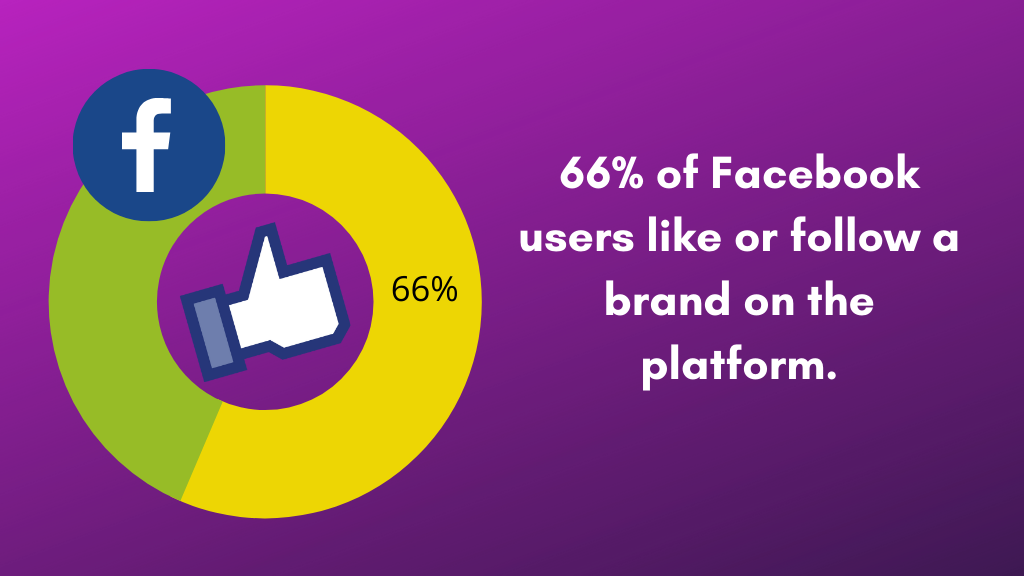
Before you begin using this eCommerce marketing strategy, make certain you've done the following:
- Learn everything you can about your target audience: Learn where your target market resides, how old they are, what languages they speak, and what their likes and dislikes are to better understand who you're attempting to connect with.
- Choose the platforms where you'll market your business: Look at the demographics of the networks to see which ones are best for your company. Learn how many users they have, how old they are, where they live, and more. However, conduct some research to find out which platforms provide the most benefits for eCommerce firms.
- Keep an eye on your competitors: Find out what they're up to on social media. Find out what eCommerce marketing strategies they employ, as well as what they post, how often they post, which social media networks they use, and how they engage users.
This guide will assist you in developing online marketing strategies for eCommerce websites as well as getting you started with social media.
Then, once you've started actively sharing posts and creating campaigns, use data to figure out the optimal publishing times and the number of posts you want to make.
Also, track the success of your efforts so you may smooth your eCommerce marketing strategies. For company profiles, social media sites include built-in metrics.
To better understand user behaviour, read data on impressions, reach, website clicks, and profile visits.
5. eCommerce SEO helps in Market and Reach Expansion:
Optimizing your website and products for search engines is one of the most significant eCommerce marketing tactics for increasing sales.
You must optimise your online store and products for exact keywords in order for them to appear in the SERPs when users conduct precise searches.
To put it another way, you should know who your audience is and what terms they use to search for similar items or services to the ones you provide.
Then you should employ the best SEO tactics and thoroughly optimise the specific keywords that your target audience is looking for.
To make your product pages SEO-friendly, follow these steps:
- Determine the keywords you want to target: You may use SEO tools like SEMrush, Ahrefs, and Moz to help you find the proper keywords.
- Use keywords correctly: Your keywords should appear in the title tag, meta description, and short URL of your products.
- Create unique product descriptions: To provide customers a nice shopping experience, make sure you define each product in terms of size, shape, colour, and features.
- Include customer reviews: Customer reviews are a great method to naturally develop keywords. Your content will stay fresh with each new review submitted by your customers.
Furthermore, in order to apply the best online marketing techniques for eCommerce websites, make sure your store is mobile-friendly, quick to load, and simple to navigate.
This will improve the user experience and length of time spent on the site.
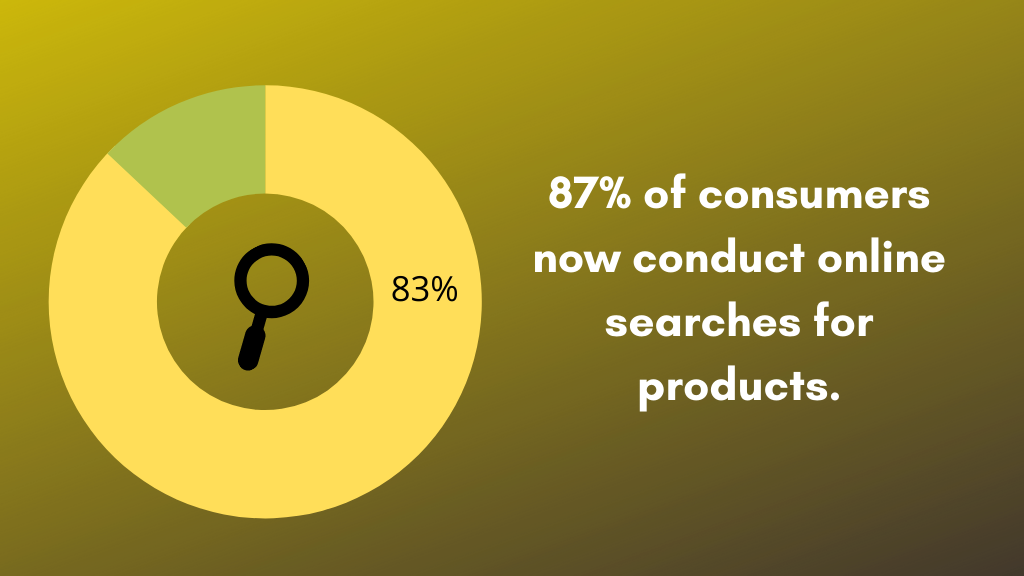
6. Affiliate programme helps eCommerce businesses in increasing their brand awareness and sales.
Without a good affiliate programme, an eCommerce marketing plan would be incomplete. It can help you reach more people faster and spread your business message to a larger audience.
To use affiliate marketing, look for powerful affiliates who can promote your products across multiple channels.
Because it is performance-based, this is also one of the most cost-effective digital marketing techniques for eCommerce websites. It ensures you'll only pay your affiliate partners for what they actually deliver.
Make sure to follow these steps when executing this eCommerce marketing strategy:
- Concentrate on giving value to your audience.
- In emails, don't utilise too many links.
- Encourage the use of high-quality items.
- Rather of just selling, concentrate on developing a real relationship.
- Provide value to your customers.
7. Google Shopping is becoming a more important channel for eCommerce marketing.
Because of its power to provide better-qualified traffic and higher conversions, Google Shopping is also one of the finest eCommerce marketing techniques in 2021.
Google puts your actual products in front of potential customers' eyes by presenting images in search results, enticing them to engage and take action.
What's amazing about this eCommerce marketing technique is that businesses that appear in the SERPs look to be trustworthy, despite the fact that most customers are unfamiliar with them.
As a result, if Google matches your products with terms that customers search for, the likelihood that they will trust your brand enough to make a buy increases.
To use Google Shopping, you'll need to do the following:
- Create a Google Merchant Center account if you don't already have one.
- Make your product pages more engaging.
- Link your Google AdWords account.
- Create a marketing campaign.
Conclusion:
For all businesses that sell online, eCommerce marketing is extremely important. It assists you in increasing brand awareness, boosting conversions, and raising profits.
Make sure you apply the best eCommerce marketing methods in 2021 to stand out from the crowd and beat your competition:
- Post high-quality and unique content.
- Retarget users
- Personalize your emails.
- Create social media campaigns.
- Optimize your store's and products' performance.
- Invest in a affiliate marketing.
- Use Google Shopping to your advantage.
Invest in high-end eCommerce marketing services or follow the best eCommerce marketing methods to help you expand your business faster.