

No results found for your search.
Select Country
What Is An External Link?
Backlinks are thought to be the internet's foundation, holding it together since its inception. Even today, SEOs believe external links to be an important ranking element in Google's algorithm, which is what we'll be looking at in this blog post.
What are External Links?
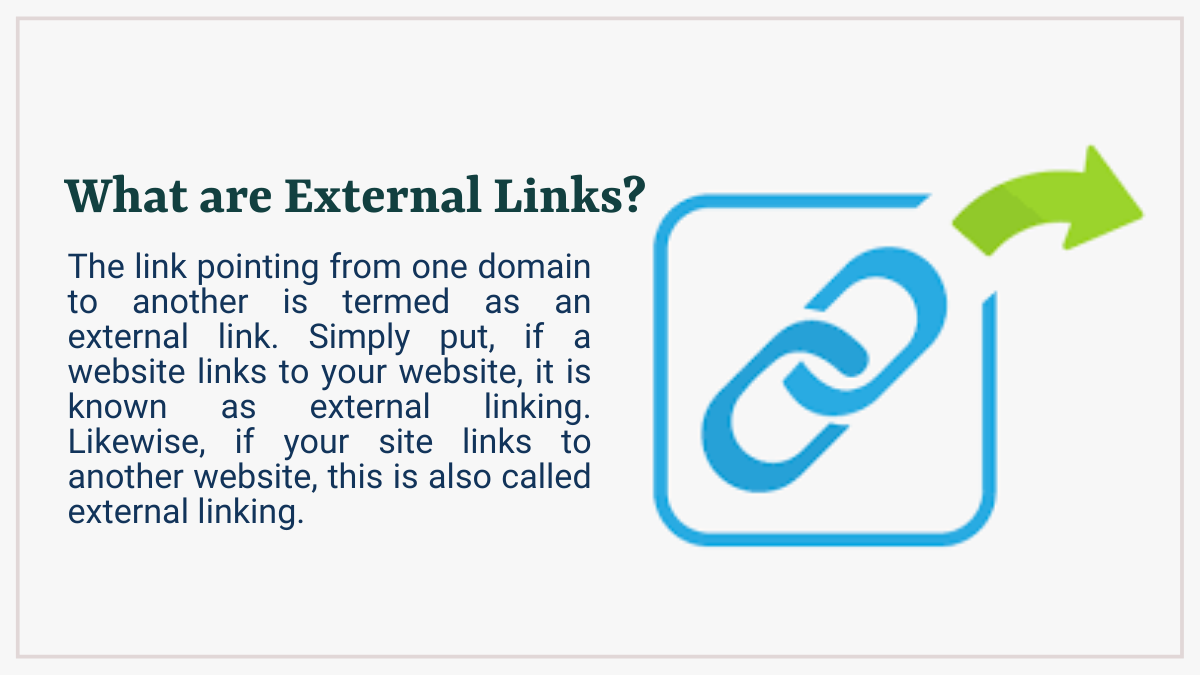
An external link is a link that points from one domain to another. External linking, simply described, is when another website links to yours. External linking is also used to describe when your website links to another website. An 'inbound link' or a 'backlink' is a hyperlink from another website that points to your website, whereas an 'outbound link' is a hyperlink that points to a separate website.
ALSO READ: Cloudflare vs CloudFront [Review]
What is the Importance of External Links?
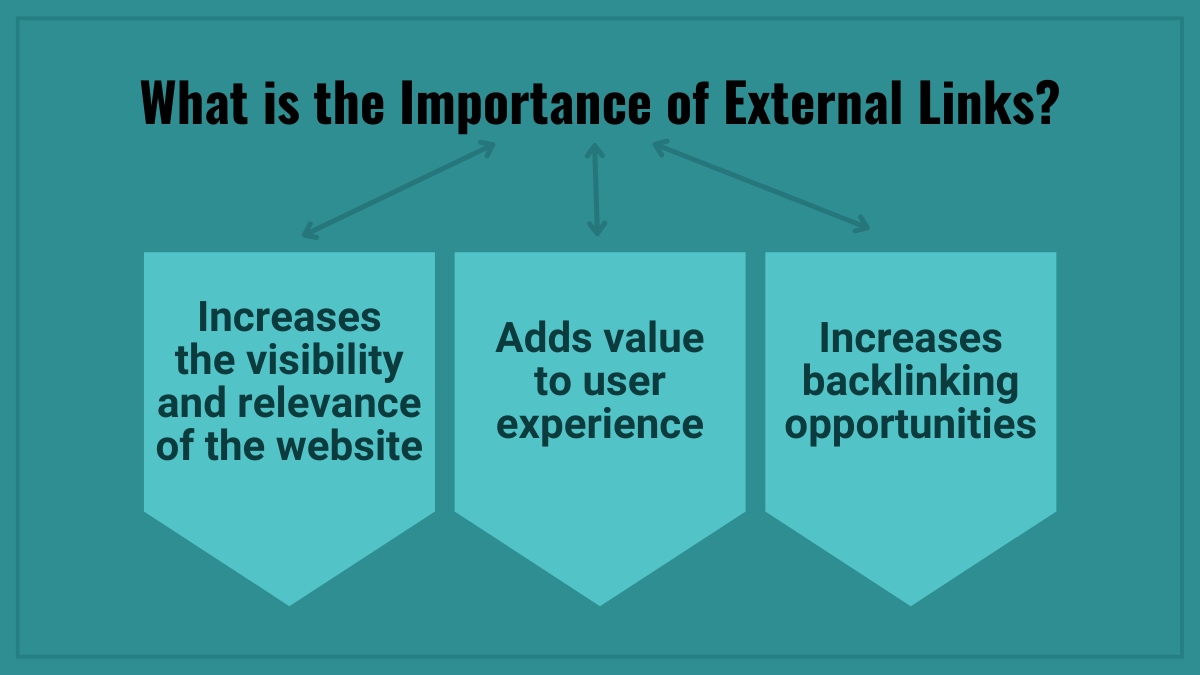
External linking has a significant impact on the ranking of your website. Search engines regard these connections as a third-party vote of confidence, based on the basic premise that how people talk about and suggest your website can reveal a lot about you. Indeed, from Google's inception, external linking has always been a significant ranking element. Here are a few key points to remember about external links.
- Increases the visibility and relevance of the website
Users are valued by search engines, which strive to provide the most relevant results to their queries. External links from websites in the same niche can assist Google figure out how relevant your website content is for a given query and how famous you are. This can help your website rank higher.
- Adds value to user experience
By directing users to another website, you can assist them in finding further and relevant information. This can improve the user experience and encourage them to return to your website in the future for more high-quality content.
- Increases backlinking opportunities
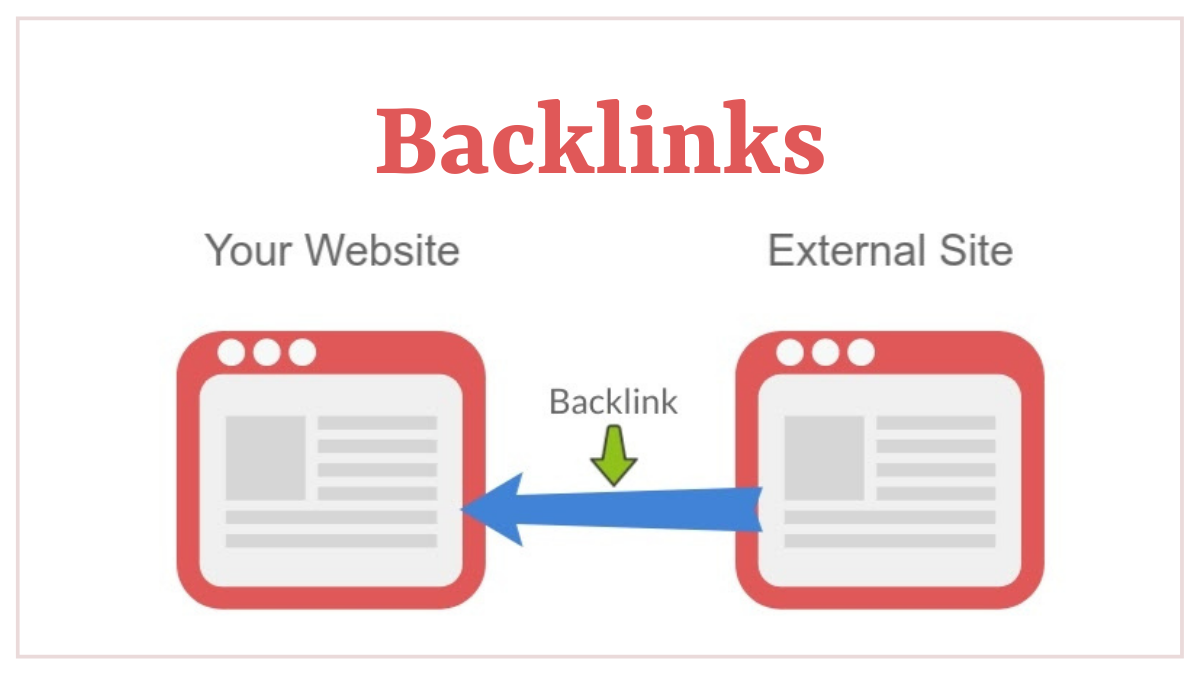
Linking out to other trustworthy websites can help you receive a backlink from them, which can help you create a natural linking environment. This is one of the most effective ways to improve your SERP ranking (search engine results pages).
What are the Types of External Links?
External links can be divided into two categories.
- Do-follow links
Search engine crawlers will follow the link and pass link equity or link juice to the linked site if it is marked as dofollow. This may help them improve their ranks.
- No-follow links
Nofollow links instruct crawlers not to follow the link and pass no link juice to the user. The rel='nofollow' attribute in the a> tag is used to do this.
What are the Best Practices in External Linking?
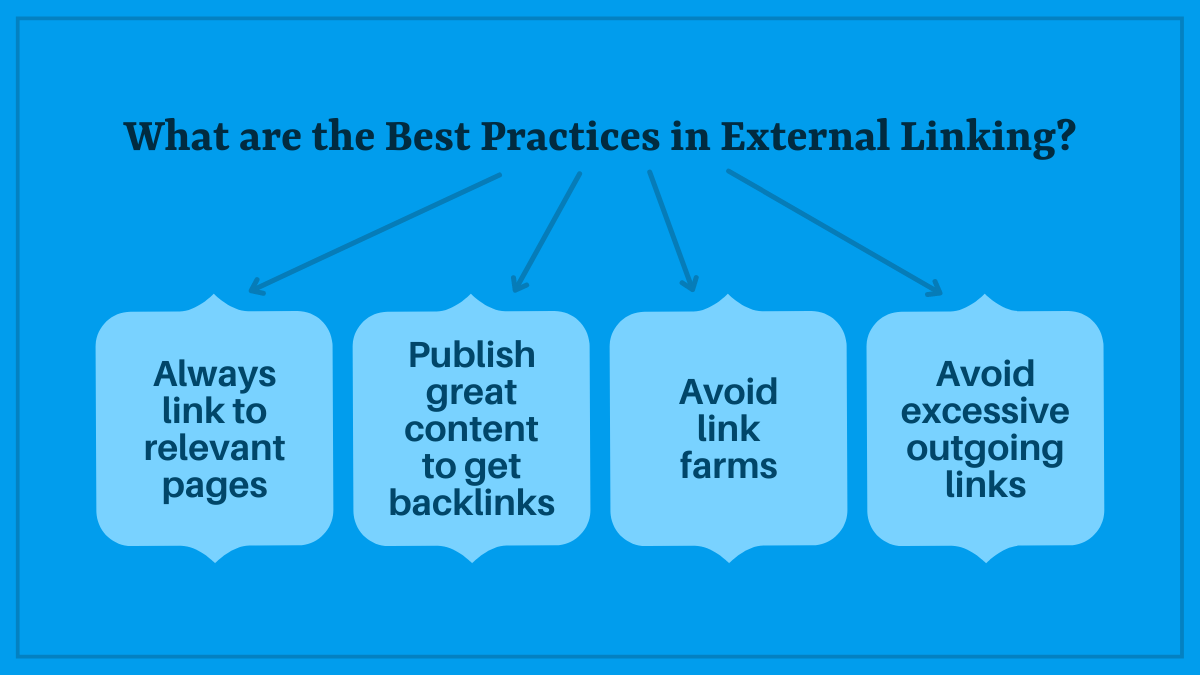
- Always link to relevant pages
External linking is all about assisting the search engine in determining the relevancy of your website for a certain query. You should only link to pages that are relevant to the issue you're discussing.
- Publish great content to get backlinks

Creating exceptional content that answers the user's question is the simplest and most natural strategy to get backlinks. Others will be more likely to link to your website as a result of this.
- Avoid link farms
Backlinking in both directions and linking to private blog networks should be avoided. Google has devalued such backlinking as a result of the Penguin update.
- Avoid excessive outgoing links
From the reader's perspective, having too many hyperlinks on a page might be unpleasant. Try to link to fewer, more relevant blogs and focus on on-page optimization.
What Factors Contribute to High-Quality External Linking?
Examine the following characteristics that search engines like Google consider when analysing external links:
- The linked domain's trustworthiness.
- The source's popularity on the web page.
- The content of the linked source and the target page is relevant.
- Anchor texts that use natural language and are keyword-rich yet don't feel forced or repeated.
- On the source page, the number of links.
- The source page's number of root domains.

So, Do External Links Matter in SEO?
External links are a minor but important aspect in SEO, and they should be carefully monitored. Whether you're constructing a new website or have an existing one, the community and rank-building actions related to external connections should not be overlooked. One of the most difficult metrics to manipulate is external links. As a result, it is one of the most effective ways for a search engine to determine the reputation of your website and raise your ranks.