

No results found for your search.
Select Country
How to Start a Food Blog in 2023
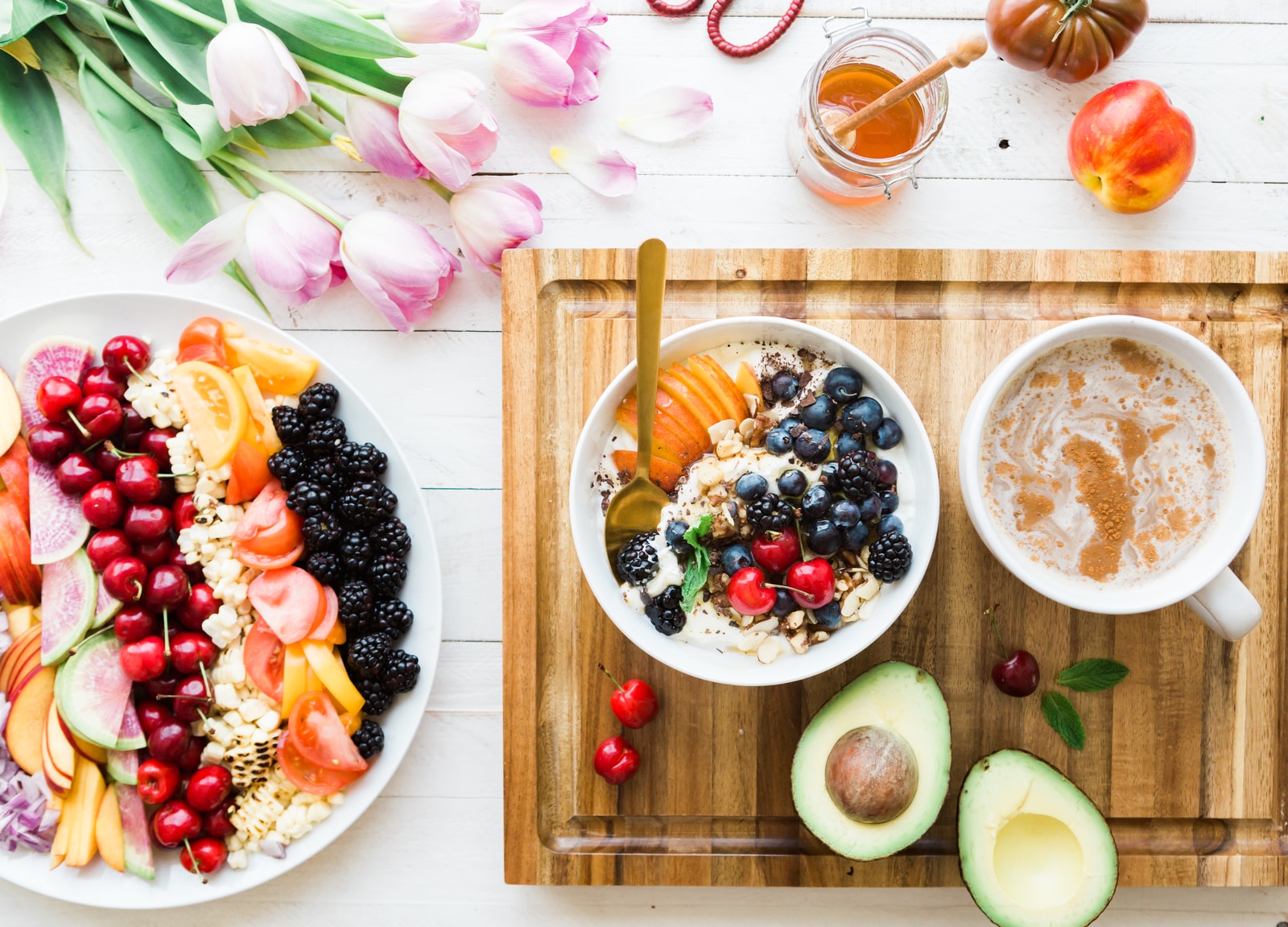
The (Free) Ultimate Guide to Starting a Food Blog and Making Money. Want to learn how to establish a food blog but don't know where to begin? Don't worry, you've come to the right place. In this (free) comprehensive guide, I'll show you how to establish a food blog and make money, so you can get started on your food blogging career right away.
Starting a food blog can be a lot of fun, satisfying, and even profitable if you're willing to put in the time and effort to learn how to start a food blog (the right way) and set it up for optimal growth.
You're starting a food blog with the intention of eventually establishing yourself as a thought leader and expert in your field—and before you know it, this new site could be opening doors to unexpected mouth-watering opportunities like book deals, television appearances, cooking product lines, and so much more.
Get this: even if you only want to be a hobby food blogger, you can still make a lot of money with your new site. What's the best part? To start food blogging today, you don't need any coding or technical blogging skills—or even a large financial commitment.
So, if you're ready to discover how to build a profitable food blog, this is the guide for you.
How to Start a Food Blog in 8 Easy Steps (in 2023)
We'll walk through the eight steps to beginning a food blog in this tutorial, which is backed up with interviews with some of the world's most successful food bloggers.
Please be aware that some of the links below are affiliate links, which means I may receive a commission at no additional cost to you.
Let's get started with my comprehensive guide to starting a food blog.
1. Choose your food blog niche
You may already know the area of food blogging you want to concentrate on, but it's critical to start by honing your angle and message.
When starting a food blog, keep in mind that it's better to choose a niche that aligns with your own passions, interests, expertise, and personality.
2. Pick a catchy name for your blog
Choosing an appropriate name for your blog might help it stand out and attract the attention of your intended audience.
In a matter of seconds, the correct name for your food blog communicates what your site is all about, your position in the business, and even who your recipes are for.
Take, for example, Gaby Dalkin's culinary blog, What's Gaby Cooking? It's witty, simple, and amusing.
Your food blog's address on the Internet will be its name, also known as its domain name or blog URL. This is the address that people will type into their web browser's address bar to go directly to your food blog—or they can search for it on major search engines like Google. It'll look something like this (and it should normally end in a.com):
While you may start food blogging for free using sites like Medium, Tumblr, or Blogger (or even just by growing a following on Instagram first), it's crucial to get your own domain name—so that it belongs to you—if you want to turn your food blog into a business or earn money.
When it comes to style, features, functionality, and the possibility to monetise your food blog, the world's free blogging services will severely limit your options.
Let's choose a name for your food blog (along with a domain name).
Here are a few pointers to help you come up with a memorable name for your food blog:
- Examine your niche carefully to see if anything smart or punny comes to mind.
- Think about your target audience and what might pique their interest.
- For ideas, look up the names of other popular food blogs.
- Use a keyword that is relevant to your niche (to clearly indicate your positioning)
- Make it simple to remember, speak, and spell.
- If you're stuck, use domain name generators (like SmartWP's Name Generator).
- Use your own name, a nickname, or a name combination (like Vegan Anj)
Even if you haven't decided on a name for your food blog yet, keep going—you can always change your mind later.
3. Get your food blog online (web hosting)
Before you can do anything else, your food blog must be hosted online by a web hosting firm (and make it visible on the Internet).
We'll also decide on the blogging platform you'll use to start your food blog at this point, as well as the web hosting plan you'll use to get your food blog up and running.
WordPress is the blogging software that 95% of food bloggers use, and Bluehost is the web hosting business I recommend (to get your food blog online).
WordPress is a publishing platform that has been operating for nearly two decades and now powers over 34% of all websites on the Internet (including my blog right here). Bloggers prefer Bluehost to get their websites online since it is one of the most renowned and long-standing hosting firms. Throughout the rest of this food blogging tutorial, we'll use this combo.
Please note that when you buy web hosting using my Bluehost affiliate link, they pay me a commission, which allows me to provide you with this free information. I personally use and endorse Bluehost hosting, and I would never recommend a product, tool, or service that I do not directly use and recommend.
Now it's time to pick a name for your food blog and a hosting plan. Go to Bluehost by clicking here and then clicking the green "Get Started Now" button.
Choose a hosting package for your food blog.
The next step is to choose a hosting package. Bluehost (which I use) comes with Domain Privacy, which prevents your personal information (full name, email address, phone number, and home address) from being published anywhere online as the proprietor of your new food blog. Bluehost will protect that information on your behalf with this plan.
This is what selecting your plan will look like. Select your preferred plan by clicking the green "Select" button:
The domain name for your food blog should be secured. After that, you'll have to decide on a domain name for your food blog: Simply enter in the domain name for your food blog that you'd like to register (like eatsbyryan.com).
If the domain name you want for your food blog isn't available, you can either try another alternative that comes to mind—or (as I recommend) take the option to choose your domain name later once you've figured out the rest of your blogging information and given yourself some time to think it over.
You'll be brought to the final step—creating your account—after either securing your food blog's domain name (or deciding to select it later).
Make an account with Bluehost.
Begin by filling in your account information, such as your name, email address, and address, until the form on this page is complete:
Choose the best hosting plan for you.
This is where you'll select an account plan based on the price you want to lock in and how far ahead of time you want to pay for your hosting today.
Bluehost only allows you to pay for one, two, three, or five years in advance. They don't have a monthly payment plan available (because most hosting companies that do offer monthly payments tend to charge more). Regardless of the plan you choose, the price is still reasonable for having your food blog up.
Which plan is best?
If you want to lock in the lowest possible price for your hosting, I recommend going with the "Prime 36 Month Price." That's the method I employ. It also ensures your blog hosting for the next three years at their lowest pricing (along with domain privacy).
Finally, I propose choosing the plan with the longest duration that your budget allows.
The amount you'll pay today is the total you'll see now. Remember that depending on the bundle you choose, you won't have to pay again for 1, 2, 3, or 5 years. There's also a 30-day money-back guarantee if things with your food blog don't go as planned.
Enter the form with your billing information.
Now enter your billing information, check the box indicating that you agree to Bluehost's Terms of Service, and click the green "Submit" button.
It's time to have a good time! You've finished the first crucial step in starting a food blog!
Now that you've completed the initial register procedure, it's time to move on to the next step in setting up your food blog.
If you haven't previously done so, go to Bluehost and register your domain.
On the next page, Bluehost will walk you through the process of installing WordPress on your food blog step by step. Also, if you're looking for more hosting options, check out my frequently updated list of the top web hosting plans available today.
4. Design your food blog with free tools and templates
You've now successfully installed and hosted your WordPress-powered blog on Bluehost. It's a clean slate for us to work with now! And we'll do it with the help of free tools and templates.
When it comes to starting a food blog, not only does it need to appear appealing, but it also needs to provide a good user experience for your viewers. That's why having the correct food blog design is so crucial. For a great example of a great food blog layout, go to the Minimalist Baker's website.
The good news is that you can create your food blog with free tools and WordPress themes and get fantastic results. And we'll go through a few different types of free resources that you may utilize to construct your food blog.
- a system for managing content (CMS)
- Themes for WordPress
- Plugins for WordPress
So, let's take a closer look at each of them individually.
Content Management System (CMS)
To begin, you'll need a content management system (also known as a blogging platform), which will allow you to compose blog posts, share photographs, and publish recipes or reviews on your food blog. Take a look at my collection of honest Bluehost reviews for ideas on how to write a review post in various styles.
If you've followed along with our tutorial so far, you've already decided on WordPress as your content management system. Great!
You're not alone in this. Take a look at these stunning WordPress stats:
- WordPress is the most popular CMS, accounting for 50 percent to 60 percent of the global CMS market.
- WordPress is the fastest-growing content management system, with over 500 new blogs established every day.
WordPress is search engine friendly (blog SEO), easy to use, and allows you to strategically organise your content, add video and images—all while maintaining complete control over the look of your site. It's also free to use (albeit you must have your own monthly web hosting plan) and allows you to simply add more features to your blog, such as forums, an online store, and even paid subscriptions from your followers.
Let's discuss themes now.
WordPress themes for food bloggers
A WordPress theme is the "template" that governs the visual layout, style, and feel of everything on your food blog from behind the scenes. Choosing the proper WordPress theme with the features you'll need is thus a very strategic decision.
With WordPress as your CMS, you can start by customising and improving the aesthetic of your food blog by using a free WordPress theme—then worry about upgrading to a more premium theme with more functionality once your blog has gained some traction.
However, as I previously stated, you should begin your food blogging journey by using as many free tools as possible.
When you're just getting started with WordPress, here's my recommendation for the best free theme and page builder:
Hello WordPress Theme + Elementor Page Builder (Free)
The free Hello Theme combined with Elementor's Page Builder is hands down the best combination for new food bloggers to get started with because these two working together allows you to design your entire food blog with a vast amount of customizability—without any coding knowledge—and to great effect with stunningly beautiful page layouts and designs. Furthermore, the Hello Theme is the fastest WordPress theme I've ever tested, ensuring that your site loads quickly for your visitors.
The drag-and-drop visual page builder at the heart of this WordPress theme is meant to make it simple to create a website and customize it to your needs.
It comes with a variety of page templates, design components, and widgets to help you get started with loads of essential blogging capabilities (like email capturing, clickable buttons, video embeds, scrollable Google Maps embed, form submissions and more).
You may create a completely working food blog without any assistance, and they also offer a large collection of tutorial materials and videos to assist you. Here's a behind-the-scenes look at what Elementor looks like:
Did I mention it's completely free?
The 100% free version of Elementor will suffice if you want to construct a reasonably simple food blog layout (which is ideal if you're just getting started with blogging). When you're ready to upgrade to Elementor Pro or look into other theme alternatives, you'll be able to explore a whole new world of possibilities for creating a unique blog.
You can download the free version of Elementor Page Builder from this link. The free Hello Theme is also available here, so you can combine the two.
Kate of cookieandkate.com recommends one of these two top (paid) food blogging WordPress themes when you're ready to upgrade to a more powerful theme:
- Foodie Pro is a theme for foodies.
- Brunch Professional Theme
Remember to keep the following factors in mind while selecting a WordPress theme for your food blog:
- Use a theme with a simple, clean, and straightforward style so that your readers may quickly engage with your content and navigate your food blog.
- Choose a theme for your food blog that looks beautiful on all devices. Whether you're using a laptop, desktop, tablet, or smartphone,
- Make sure the theme is compatible with all browsers and SEO-friendly.
- Check to see if the theme supports all of the major plugins that your food blog requires.
- Examine the theme's track record by looking for reviews and ratings.
Let's look at the must-have WordPress plugins you should install right away to give your food blog some extra functionality.
Because you're using WordPress as your CMS, you may utilise a variety of free and commercial plugins to enhance the functionality of your food blog.
Simply defined, a plugin is a little piece of software that you can install on your food blog to improve its functionality and add new features without having to write any code.
There are numerous free and commercial plugins accessible on the market, similar to themes. Here are a handful of my favourite plugins that you should install right now on your food blog:
- Yoast SEO can help you improve your food blog's pages and articles so that they rank higher in Google searches.
- WPForms is a WordPress plugin that makes it simple to construct forms (for email sign ups, contact requests, etc)
- MonsterInsights for Google Analytics is a tool that helps you learn more about your visitors.
- Perfmatters for speeding up and optimising your food blog's code
- Jetpack is a tool for backing up your food blog on a regular basis.
5. Create the main pages of your food blog
It's natural for visitors to ask inquiries regarding your food blog when they first come.
They'll frequently inquire as to how it differs from other food blogs in your niche—and, based on the design of your site, will rapidly create an opinion of the person (or persons) behind the food blog and whether or not your content is appropriate for them. Take, for example, Lily's homepage from her food blog, Clean Food, Dirty City.
It's critical to build the primary pages of your blog, especially these three, in advance to answer these questions for your readers:
- Homepage
- About this page
- Page of Contact
The homepage of your food blog
In most situations, readers will land on your food blog home page after typing your blog name into a search engine or learning about it from a guest blog post you wrote for another food blogger and your homepage should include a full description of the various areas of your food blog.
Consider Lindsay's popular culinary blog, Pinch of Yum, homepage design:
Keep in mind that the parts of your food blog's homepage should ideally include:
- In less than 3 seconds, readers will know what your food blog has to offer thanks to a short, straightforward headline.
- A subheading that describes the value your food blog offers in a few words.
- Visitors are directed to different areas of your food blog by calls to action (where you want them to go)
- Beautiful photographs that grab their attention and introduce them to your aesthetic style
- Links to your greatest content to encourage people to stay longer.
The About us page of your food blog
Your food blog's About Me page should not only introduce you and your message, but also answer the following questions:
- Why should someone pay attention to your food blog and follow it?
- What challenges can you solve for your food blog's readers?
- How can you help your audience in a unique way?
Take, for example, Beth's bio on Budget Bytes, a popular food blog:
Begin by reading my article on how to write an About Me page for your blog, so you can always remember to include the following information on your food blog's about page:
- To strengthen your relationship with readers, state your name clearly and provide a photo of yourself.
- To increase your reputation as a food blogger, provide any credentials and certificates you have.
- Write in a conversational tone to give readers a sense of your personality and make them feel as if you're speaking directly to them.
- Make your narrative as interesting and relatable as possible.
The contact page of your food blog
This page of your food blog should be easy to locate and provide information on how to contact you, whether it's for reader questions, inquiries about working with you, sponsoring your blog, or anything else.
Your food blog's contact page doesn't have to be complicated. Take a look at Katie's blog page, What Katie Ate:
In general, your contact page should include the following elements:
- Quick answers to frequently asked questions (or a link to a FAQ page)
- A simple, easy-to-understand and fill-out form based on their requests
- An email address where you can be reached
- Your social networking accounts' links (especially Instagram and Pinterest)
6. Plan your food blog content strategy and positioning
When you start a food blog without a content strategy to guide you, it's easy to get carried away and start talking about issues that aren't relevant to your niche or audience.
However, with a content strategy to guide you and advise you on what to blog about, you can:
- Determine who your ideal readers are and why they visit your food blog (do they want a specific recipe? Dinner suggestions for the middle of the week?)
- Concentrate on your niche and create compelling material that adds value to your audience.
Follow these steps to build a unified content plan for your food blog:
- Consider your objectives and what you wish to accomplish.
- Investigate, comprehend, and learn everything you can about your target audience's wants and needs.
- Determine where your target audience can be found on the internet. Are they more active on Instagram, Pinterest, or Facebook?
- Use keyword research to generate content ideas and subjects for food blog posts that your audience are interested in.
- Choose the correct content format for your readers, such as video, blog articles, infographics, and podcasts (if you do podcast though, be sure to get the best podcast hosting you can afford)
- Decide how often you'll post fresh content and stick to it once you've started.
- Make a content calendar so you know what topics you'll be writing about in advance.
7. Nail your images (the best food blogs have great photography)
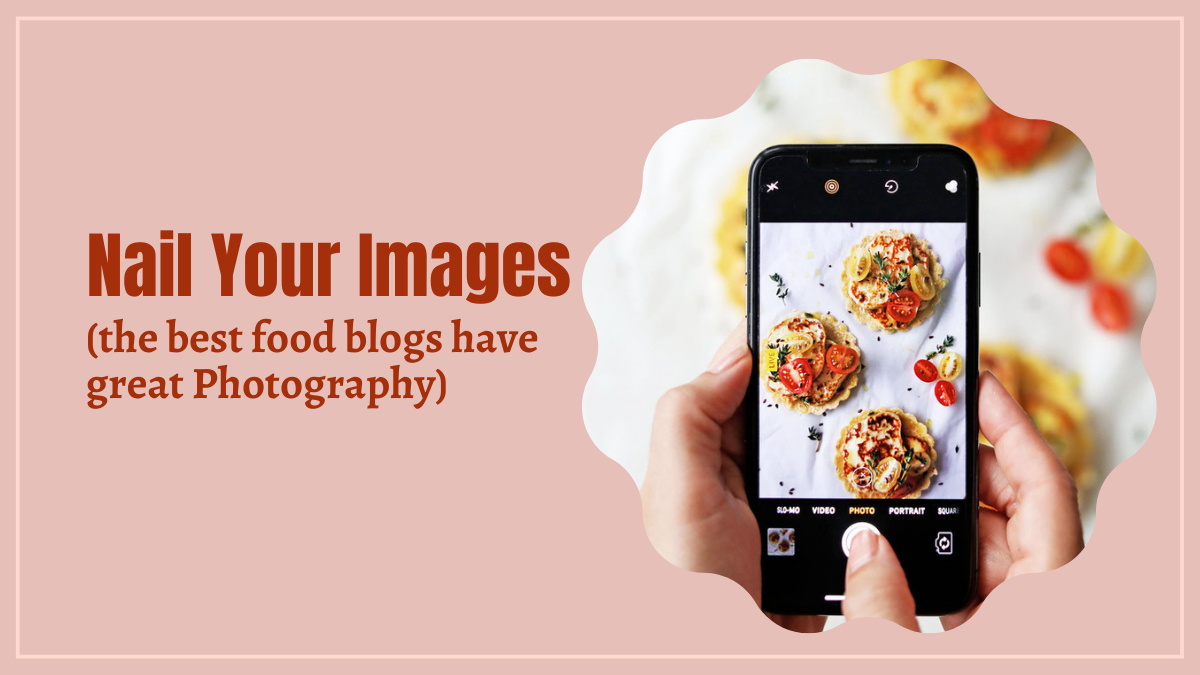
Have you ever heard the saying "a picture is worth a thousand words"?
This is especially true for food blogs, as successful food blogs are known for having high-quality (generally original-shot) photographs. Here are a few methods for creating amazing images for your food blog:
Take your own photographs (the best route)
Even if you're not a professional photographer, you can learn to take good photos as part of your learning how to start a food blog path.
Gaby of What's Gaby Cooking is the first to acknowledge that it took a lot of practise for her images to improve (and help from other photographers).
She offers the following tips to beginner food bloggers who want to improve their photographic skills:
- When photographing food, always use natural light (especially if you're just starting out).
- Move around to get the optimum light (even if it means going outside your kitchen).
- Take photos from several perspectives (from above, from the side, etc.) to determine what works best.
Carefully use free stock photo libraries
If you're not a professional photographer, you may still use free stock photo sites like Unsplash, Foodiesfeed, Pixabay, and Pexels to create gorgeous images for your food blog.
If you do, be sure the photographs you intend to use are royalty-free and can be used for commercial reasons without attribution—and don't claim that the images are your own.
This is a route I advocate just if you're short on time and money when you're first starting out with your food blog.
It's vital to make the switch to publishing your own photographs on your food blog once you've started to increase traffic and connect with your followers for authenticity reasons. Even if you don't have prior design, editing, or Photoshop abilities, you can increase the quality of your food images with free photo editing and design tools.
The following are some free design and photo editing programmes that are ideal for learning how to establish a food blog:
- Visme
- PicMonkey
- Snappa
- Piktochart
Don't forget that with these design tools, you may trim and tweak generic stock photos to create more original images for your own food blog.
8. Promote your food blog and network with other food bloggers
Don't be startled if your food blog doesn't start attracting visitors the day you publish material.
Let's face it: in addition to consistently generating material, you need to actively promote your food blog—and network with other food bloggers—in order to attract more traffic back to your own food blog over time. It won't happen quickly, but if you concentrate on these promotion outlets, you'll see immediate results.
Here are a few tried-and-true methods for promoting your food blog and networking with other food bloggers:
Update your email signature (to highlight your food blog)
Aside from include your contact information, website URL, and social media links in your email signature, you may also include a link to your most recent blog post, an email subscription link, or a link to your most recent free downloadable eBook.
Follow Gaby's example and make your email signature call-to-action about the most crucial thing:
This is a brilliant method to promote your food blog content in an unobtrusive way every time you send an email (which you should be doing anyway).
Remember to mention the title of the most recent blog article to draw in more readers and pique their curiosity.
Get your on-page SEO right
It's critical to get your on-page blog SEO perfect if you want your food blog to rank high in search engine results for specific keywords in your niche (like "apple pie recipe").
On accomplish so, use the following key practises from my guide to blog SEO
- Make URLs that are SEO friendly (permalinks)
- Begin each food blog post title with your most significant keyword term.
- In the first 100 to 150 words of your text, mention your keyword.
- Improve the performance of your food blog so that pages load in two to three seconds.
- Use a responsive WordPress theme to ensure that your pages display correctly across all devices.
- Create high-quality long-form content (that is optimised for search).
Start building an email list
Email marketing is one of the best strategies to promote your content when you start a food blog, with a tremendous 3800 percent return on investment.
An email list is a collection of people who have provided you with their email addresses so that you may send them email updates when you post new recipes, provide new guidelines, and so on.
You'll be able to successfully grow your email list if you:
- Make a high-quality lead magnet (such as a free recipe book) available to everybody who joins up.
- Include a subscribe form on your food blog's front page and in each post.
- Compare Convertkit vs. AWeber vs. Mailchimp to find which is the best email service provider for your needs.
- To strengthen your relationship with your email subscribers, write personalized emails.
- Post your job opening on one of these blogging job sites if you need to hire some writing help.
Share your food blog posts on social media (especially Instagram)
Social media may be a powerful and successful tool for promoting your culinary posts, but there are numerous platforms to choose from, including Instagram, Facebook, Twitter, Pinterest, LinkedIn, and many others.
Instead of hurriedly sharing your photographs on every social media platform right once, figure out which platforms have a higher concentration of your target audience—and start with just one or two. To prevent being overwhelmed, start with one or two platforms, even if your study yields three or more.
According to renowned food bloggers, you should focus more on Instagram and Pinterest. Use apps like Buffer, Hootsuite, and Quuu Promote to better organise your time and promote your content on social media.
Remember to include social media sharing buttons on your site so that your viewers may participate in the sharing process as well.
Write guest posts (for traffic and SEO benefits)
Writing guest blog posts is one of the finest methods to market your food blog, especially if you're just getting started.
Your guest pieces should be published with an author bio that includes a link to your own food blog and social media sites, as well as a credit to you as the author. This allows followers of other well-known food blogs (where your guest post is featured) to come and follow your material as well.
This allows you to raise exposure for your food blog, attract traffic to it, and potentially even increase the number of people who subscribe to your email list.
Remember to follow these guidelines to write great guest posts for any food blog you're interested in contributing to:
- Before pitching, do some research on the food blog (do they accept guest posts?). What is the standard format for them? Is your personal style similar to theirs?)
- Before pitching, connect with the food blogger or editor and build a friendship.
- Follow any of their rules and guidelines for guest posting.
- Always present a unique topic that will benefit their readers.
Once your guest post has gone live on the other person's food blog, work hard to promote it on your own social media channels—they'll almost certainly do the same and tag you, helping to raise awareness about your food blog on other social media platforms as well.
Network with other food bloggers
Building meaningful relationships with other food bloggers is another smart method to market your content and raise visibility for your food blog.
Take the following steps to begin establishing the groundwork for these relationships:
- Leaving intelligent comments on their culinary blogs is a great way to show your support.
- Use your social media channels to share their posts.
- Include them in your own food blog posts (and then send them an email to let them know; they'll almost certainly share it).
- Send them proposals for content swaps on your culinary blogs, as well as on Instagram and Pinterest.
- Join free online food blogger forums such as Pinterest groups and Facebook groups.
- Become a member of Food Blogger Pro, a paid membership programme for dedicated food bloggers.
After that, it's time to focus on monetizing your food blog—but that's an other matter altogether.
Final thoughts: How to start a food blog (and succeed)
Now that we've gone over guide on how to start a food blog, it's time to get down to business. There's no reason to wait any longer if you want to start a food blog because you're extremely passionate about food—or if you own a food business and want to blog to interact with your present clients.
Start your food blog today, and you'll see results immediately with a good dose of hard work, imagination, and a desire to explore.