

No results found for your search.
Select Country
Digital Marketing Strategy for Mobile App
Digital Marketing Strategy for Mobile App - So you've created a mobile app and want to promote it. But, these days, mobile apps are in strong competition with one another - more and more businesses are discovering the value of having one, and persuading customers to try yours isn't as simple as it once was.
You'll need a strategy in place to successfully launch and advertise a mobile app. We've compiled a list of some of our favorite tips and tricks to ensure that your mobile app launch is a success.
1. Figure out the purpose of your app
You'll need to identify the goal of your app before you start launching campaigns left and right. The following are a few crucial questions to consider:
- Why did you build an app, and how would it make users' lives easier?
- What are your plans for monetizing the app?
- What kind of user and revenue figures would you need to deem the app a success?
You've probably already answered most of these questions if you've already created an app you're pleased of. It's still a good reminder, though, to make sure your app goals are clear before diving into a promotion.
2. Create a viral loop referral campaign
Dropbox is notable for growing its user base by more than 3,900 percent, thanks in part to a viral loop referral programme they devised.
This isn't the first time a corporation has done anything like this. PayPal, Uber, and Airbnb are just a few examples of businesses that have benefited from growth hacking.
The majority of individuals have far too many apps on their phones. Give customers a cause to download your app that is superior to your competitors' – consider limited-time offers, cash back, discounts, and other incentives.
3. Create a landing page for your app
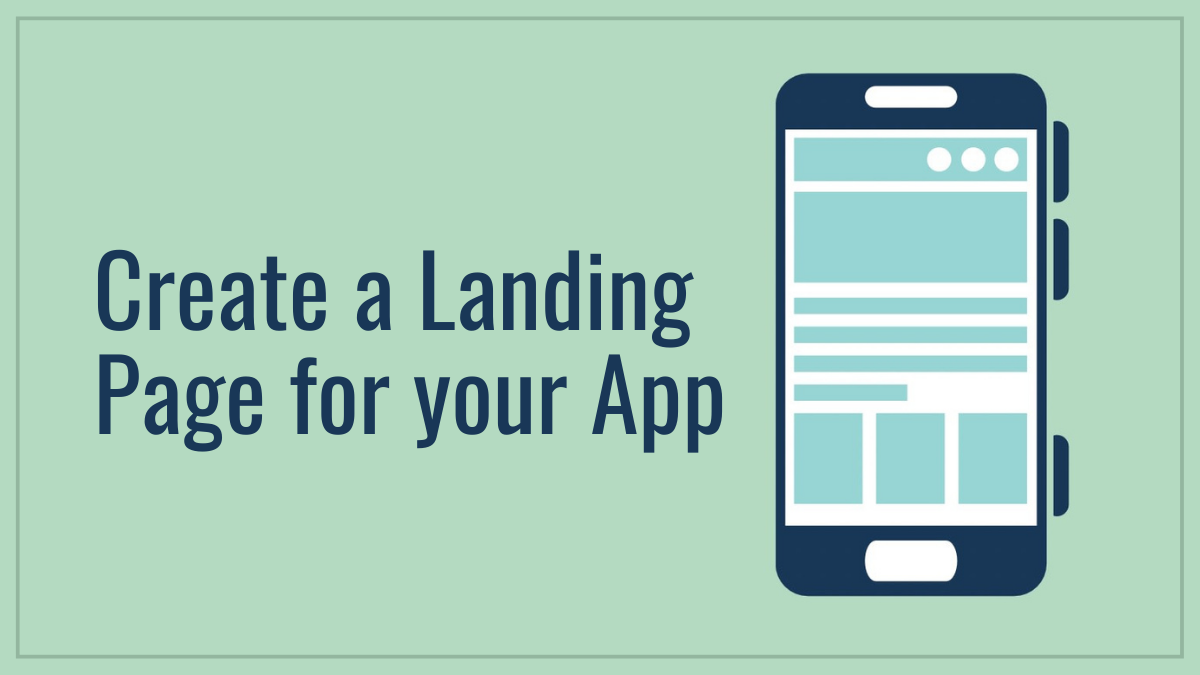
You do, in fact, have a mobile app. That isn't to say that all of your marketing should be mobile-specific. Make a landing page for your app that will serve as a destination for those who are interested in learning more about your company.
Landing pages can also bring in organic traffic if you have someone on your team who understands SEO. A beautiful landing page is easy to link to and can give users a hard sell on your app before they make a decision. They're also important if you're doing any kind of PR or outreach campaign – a beautiful landing page is easy to link to and can give users a hard sell on your app before they make a decision.
Here are a couple of outstanding examples of well-done app landing pages:
- CashApp has a clean and modern appearance.
- Houseparty is a gorgeous and simple landing page for an app that did well during the pandemic.
- When an existing brand adds an app as a supplementary service, this is what a landing page should look like.
4. Send a warm greeting with a welcome message
Ascertain that your clients are aware of the value of the software they have downloaded. Within the first three days of installing an app, 77% of daily active users abandon it, and 25% of installed apps are never used. To avoid this, provide a welcome message that will hook them from the first "hello" and generate a great first impression that will keep them coming back.
5. Optimize your app store page and incentivize reviews
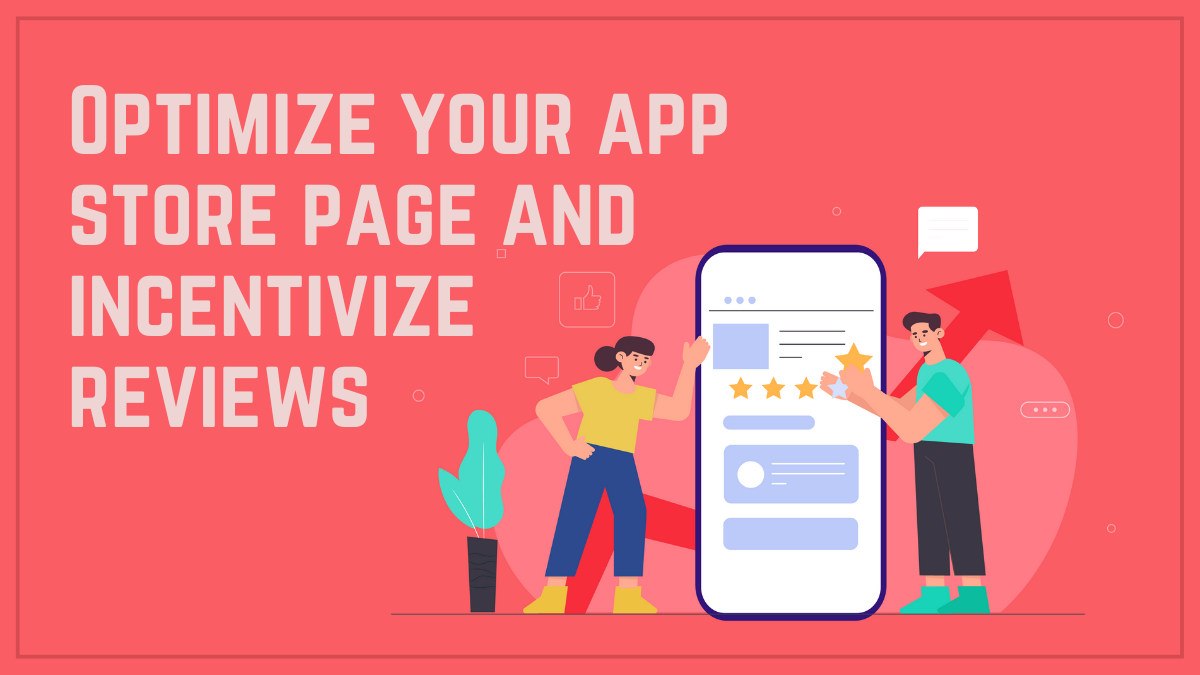
A well-optimized page with top-shelf reviews sits behind stunning app store pictures. Make your app description useful and simple to read — no one wants to scroll through reams of text to find the information they need.
Getting positive feedback will also help you increase conversion rates. Once customers have downloaded and used the app, send them a message encouraging them to go to the app store and leave a review for your company.
Even if it's just a star rating (a review without words), it'll boost CTR on app store pages and increase conversions when consumers are considering downloading.
6. Market through the right channels
Marketing through a combination of channels based on what your users respond to is part of a strong marketing plan (and this isn't limited to apps). A multi-channel strategy will ensure that you reach your clients at their convenience, whether it's via email, SMS, site notifications, or mobile wallet.
If you're adopting a growth marketing strategy, conduct A/B testing across various channels to determine where your budget should be spent.
7. Create an SEO strategy
Paid channels aren't the only way to have a successful mobile app. Many of the most popular apps, in fact, use blogs to generate organic traffic that converts to app installs.
Try outlining the various stages of your users' funnel if you're just getting started. Then begin developing material that addresses the questions that those users may have. Start writing after using a keyword research tool to locate themes with sufficient search traffic.
Remember to take advantage of traffic after it arrives on your site. Use your blog entries as CTAs for app downloads, or include an email capture form. Experiment until you find what works for you.
8. Use influencers and bloggers
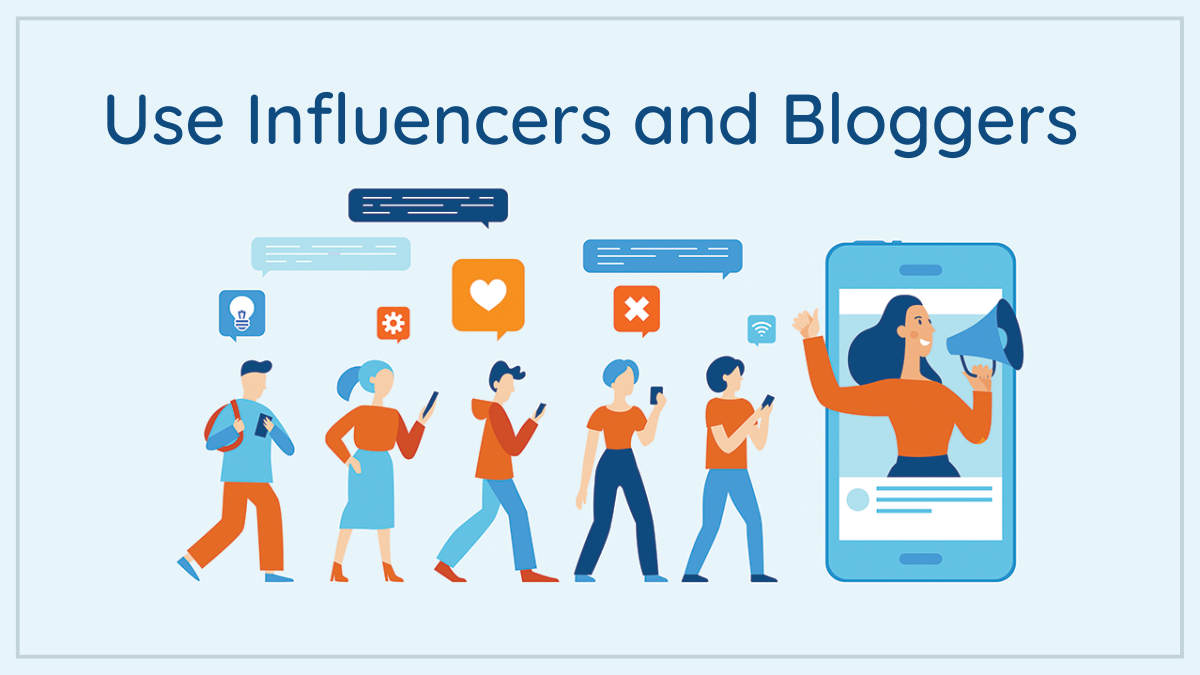
Influencer marketing isn't just for Instagram models; it's a powerful tactic for getting your app in front of the proper audience. Find people in your field with a huge, engaged audience who are interested in your app. Then, alongside them, form an influencer alliance. Deals with influencers can include:
- Posts on social media that are created naturally
- Ad campaigns with user-generated material
- If your influencer has a blog, consider sponsoring blog entries.
In the influencer sphere, there are a plethora of other opportunities. Another advantage is that influencer marketing is often less expensive than traditional techniques, making it appealing to startups and new mobile app launches.
ALSO READ: How do beginner bloggers make money?
9. Run an affiliate program
Want tens of thousands of individuals to do your influencer marketing for you? Create an affiliate programme after that. You'll get individuals organically advertising your material through their channels for affiliate cash and perks if you have a good offer.
However, a good affiliate scheme will provide actual incentives to the referrer. Affiliates can earn anything from in-app prizes and bonuses to cash. Determine what works best for your app and move forward from there!
ALSO READ: How to promote affiliate links without website
10. Leverage your existing audience
If you're developing a mobile app for the first time, you probably already have a following. This could be a personal audience or the audience for your brand (if you're creating a branded app).
Make sure you're harnessing your audience's support to give your app launch the boost it deserves!
11. Run giveaways, contests, and limited-time offers
Running giveaways and limited-time deals is a smart method to persuade people to download your app, just as offering incentives for app downloads and developing an affiliate programme.
However, keep in mind that you want customers who aren't likely to delete your app the next day if you do this. Come up with a giveaway item that your clients would appreciate. Alternatively, to gain publicity for your offer, form a collaboration with a well-known influencer in your niche.
You can utilize limited-time offers and contests to stimulate downloads in a similar way.
12. Stay active on social media
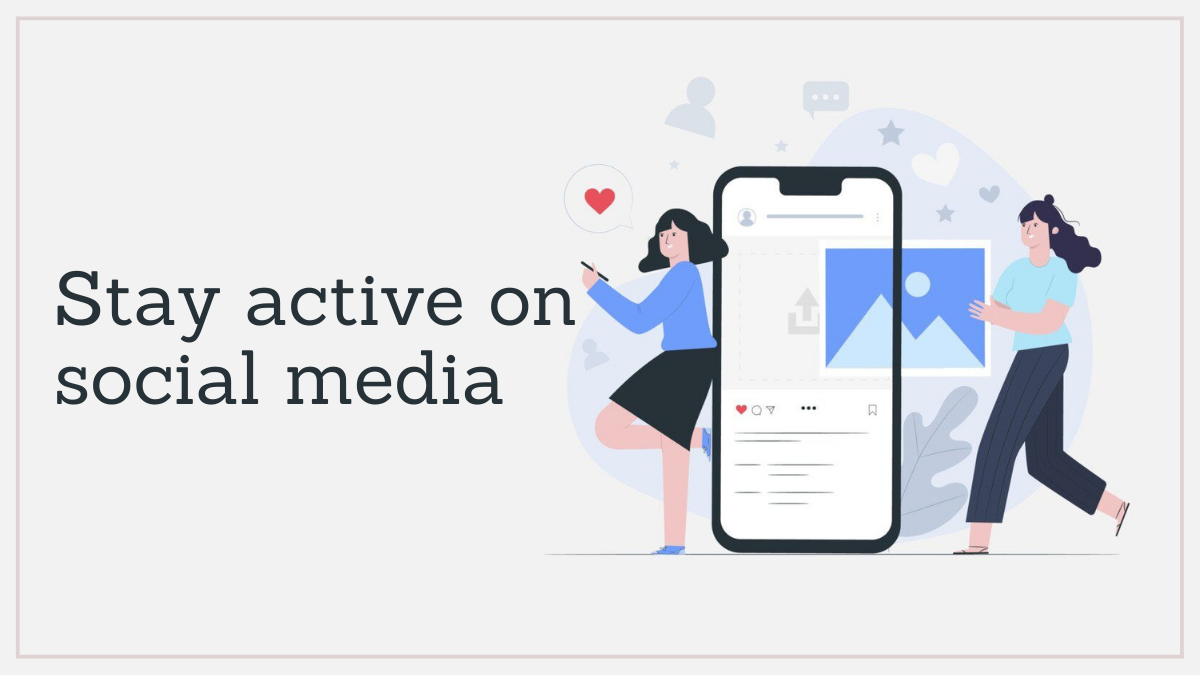
For most brands, having a strong social media presence is vital, but for a mobile app, it's critical. Someone looking through Instagram is only a few taps away from installing your app.
Maintain a steady posting schedule and interact with your audience. People appreciate firms that respond to their clients, which can help you improve the amount of app downloads.
Marketing a social media page is a different kettle of fish entirely. However, think about developing content that will appeal to your target audience and leveraging any existing audiences or relationships to acquire traction.
13. Write very good copy
Having an SEO expert on your team will help you get more organic traffic. But how can you turn that traffic into customers? You'll have to write an excellent copy.
The language and style of your brand's writing will play a big role in determining who downloads your app, from your app store landing page to blog material.
14. Define KPIs and goals at the outset
A well-thought-out app marketing plan is only effective if you know what you're aiming for. Are you seeking for a large number of downloads to attract a mobile audience? Do you wish to make money from the app as a main source of income?
Before you start running a campaign, answer these (and other) questions. When it's time to put your feet on the ground and go, you'll be prepared to adjust and respond to the results.
15. Use the right tools to retain and engage your app users.
Once you've attracted consumers to your mobile app, you'll need to keep them there – and encourage them to interact with your items.
- Make messages that are hyper-personalized. Nobody wants a generic app, which is why our platform lets you develop and distribute hyper-personalized messages to your clients.
- Develop a sense of trust and loyalty. Customers will be happier than ever before with a platform designed specifically for them, increasing brand trust and loyalty.
- Meet your customers where they are most important. Our technology is designed to send notifications based on a variety of client criteria, including name, loyalty, location status, and more.
Also Read: Digital Marketing Strategy for New Product Launch