
No results found for your search.
No results found for your search.
Struggling to get your pages noticed in search results? Your URL structure might be holding you back. In 2026, search engines and users alike expect clean, descriptive URLs that make navigation effortless and boost SEO performance. Yet, many websites still overlook this foundational element, missing out on both rankings and user trust.
This guide breaks down everything you need to know about SEO friendly URL structure: what a URL is, why its structure matters, and how to build URLs that drive results. You'll get actionable frameworks, real-world examples, and expert tips you won't find in most basic guides.
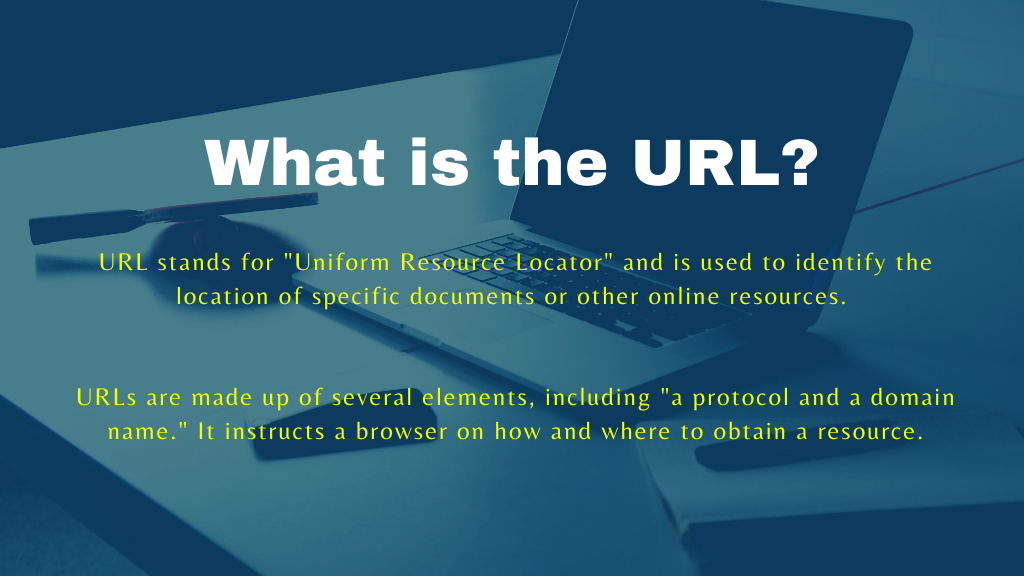 What is the URL?
URL stands for "Uniform Resource Locator". It's the address used to locate a specific resource on the internet—be it a web page, image, or downloadable file. Every URL consists of several elements that tell browsers and search engines how to reach the resource.
For example: https://huntbiz.com/blog/what-is-hyperlink/
In this example, https:// is the protocol, huntbiz.com is the domain, and /blog/what-is-hyperlink/ is the path leading to a specific article. To learn more about how hyperlinks work, check out our guide on hyperlinks.
 URL structure
URL structure refers to the way a URL is organized and presented. A well-structured URL is easy to read, reflects the site hierarchy, and signals to both users and search engines what the page is about. Typically, a URL starts with the protocol (http or https), followed by the domain name, and then the path that leads to specific content.
For example, in https://www.huntbiz.com/blog/what-is-hyperlink/, https signals a secure connection, huntbiz.com is the domain, and /blog/what-is-hyperlink/ is the path to the article.
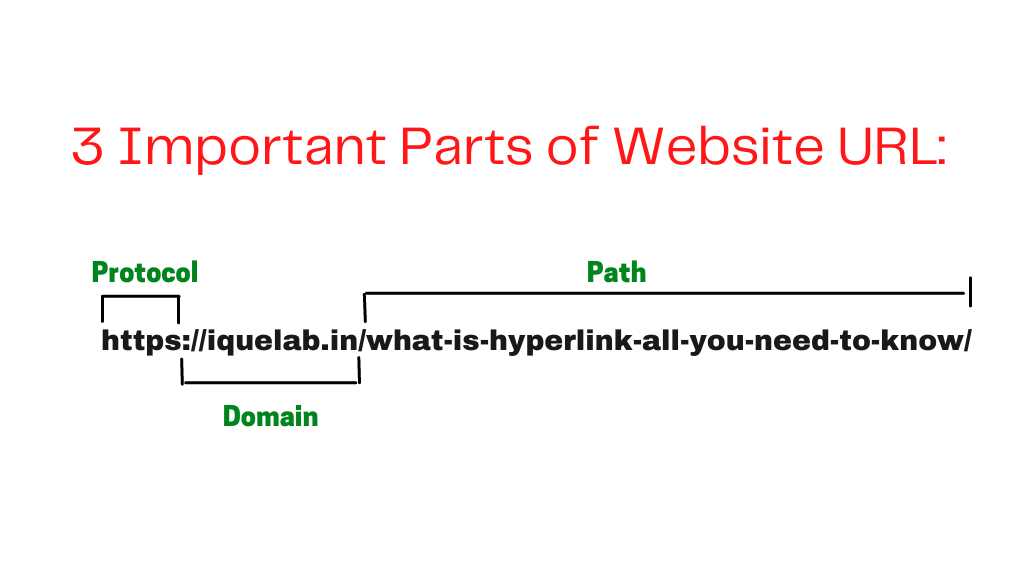 3 Important Parts of Website URL
The protocol (e.g., https://) tells browsers how to communicate with the server. HTTPS is now the industry standard because it encrypts data and protects users. As of 2026, using HTTPS is a must for SEO and user trust—Google may flag non-secure sites as unsafe.
The domain name is the unique identifier for your website. It includes the site name and the top-level domain (TLD), such as .com, .org, or .net. For example, in https://huntbiz.com/blog/, huntbiz.com is the domain name.
The path comes after the domain and directs users to a specific page or resource. The last part of the path is often called the "slug"—a concise, descriptive label for the page. For example, in https://huntbiz.com/blog/url-structure, url-structure is the slug. For a deeper dive into how slugs and paths impact SEO, see our SEO fundamentals guide.
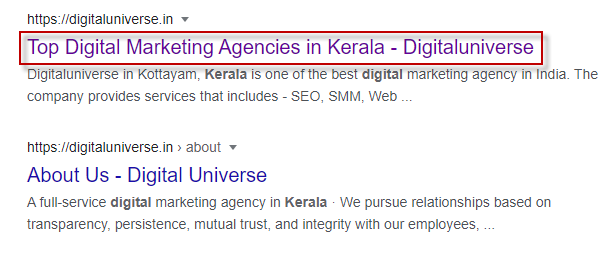
Google and other search engines use URLs to understand page content and site hierarchy. Clean, descriptive URLs improve crawlability, make your site easier to navigate, and increase click-through rates. In practice, every search result displays three core elements: the title, the URL, and the meta description. A well-structured URL can be the difference between a click and a scroll-past.
 url structure
First impressions matter. Users are more likely to trust and click on URLs that are clear and relevant. Search engines also reward sites with logical, organized structures. For more on how URL structure ties into overall SEO, read our in-depth SEO guide.
Descriptive URLs help users predict what they'll find on a page. This clarity increases click-through rates and reduces bounce rates. Avoid unnecessary parameters or random strings—keep URLs human-friendly. For example, /blog/url-structure is far better than /blog/post?id=12345.
While URLs alone don't guarantee rankings, keywords in URLs can provide context and reinforce relevance. More importantly, a logical URL structure helps search engines crawl and index your site efficiently. This is especially critical for large sites or e-commerce platforms. For technical SEO tips, see our technical SEO checklist.
Clean URLs make it easier to analyze site performance in tools like Google Analytics. When URLs are organized by category or topic, you can quickly identify which sections drive the most traffic and engagement. This insight is invaluable for optimizing your content strategy. Learn more about tracking and analytics in our SEO audit guide.
Building SEO friendly URLs is about clarity, relevance, and simplicity. Here’s a proven framework you can follow:
/blog/seo-tips).Examples:
https://www.domain.com/blog/seo-friendly-url-structurehttps://www.domain.com/mens/t-shirts/black-t-shirtFor more actionable tips on optimizing your blog, see our blog SEO strategies and on-page SEO factors.
What most guides won't tell you: Always plan your URL structure before launching a new section or site redesign. Retrofitting URLs later can be a technical headache and risk losing valuable backlinks.
SEO friendly URL structure is foundational for both rankings and user experience. As of 2026, search engines increasingly reward sites that are easy to navigate and understand. Review your existing URLs, identify messy or unclear structures, and implement the best practices outlined above. For a holistic approach, combine strong URLs with optimized meta tags, schema markup, and fast page speed.
Ready to take your website’s SEO to the next level? Start by auditing your URL structure and applying these proven strategies. For more guidance, explore our resources on creating SEO friendly websites and website design best practices.
This website uses cookies to ensure you get the best experience on our website.